
Weight Gain Program
Hardgainers need more than a random bulking routine. This Q&A covers calorie intake, meal frequency, liquid nutrition, and training considerations for clients trying to add quality size.
Females, Chains, and Wave Loading
Heavy lifting does not have to mean reckless lifting. Chains and wave loading can help female trainees build serious strength while managing sticking points and confidence under the bar.
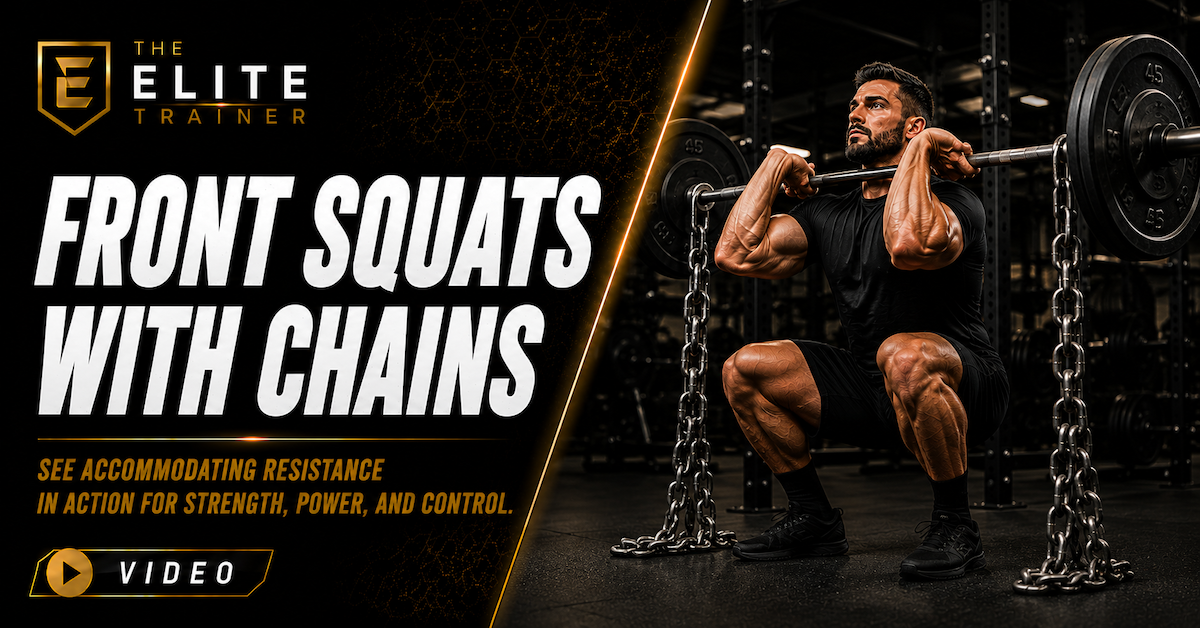
Front Squats with Chains
Chains change the loading curve and add a serious twist to front squats. This clip shows wave loading and accommodating resistance in action.

Unilateral Training: Which Side First?
Starting every unilateral exercise with the weak side is common advice, but it is not the only option. Testing both approaches can reveal whether weakness or nervous-system potentiation matters more.

The Hanging Bat Crunch
Basic crunches not cutting it anymore? The hanging bat crunch turns abdominal training upside down with a far more demanding core challenge.
Should You Train When You're Sick?
Feeling sick does not always mean the same training decision. The neck rule offers a simple way to judge when to scale volume, when to rest, and when to stay out of the gym.

The Most Important Variable for Muscle Hypertrophy
Volume, intensity, and frequency matter, but effort may be the variable that decides whether a set actually builds muscle. Here’s why training close to failure still deserves respect.
Get More From Weights Than Aerobics
Cardio is often sold as the default path to fat loss, but strength training brings a bigger long-term argument: muscle, metabolism, bone, posture, and performance.
Pre-Workout Stimulants
Pre-workout stimulants can make you feel unstoppable—until the borrowed energy bill comes due. This piece warns against leaning too hard on stimulants instead of respecting recovery and periodization.
Strength Training Motivation
Heavy sets are not won by polite thoughts alone. This piece dives into the mental images, aggression, and internal scripts that can help a lifter attack serious weight.

How Much Should the Knees Bend During Squats and Deadlifts?
Squats and deadlifts live on a knee-bend spectrum. Understanding where front squats, power squats, stiff-leg deadlifts, and bent-knee deadlifts fit can clean up technique fast.

A Simple After-School Snack
After-school snacks do not need to be sugar, grains, and a crash before dinner. This quick real-food option uses protein, greens, healthy fats, and fruit when needed.

Climbing to New Heights: An Inspirational Story
Major injury can make normal training feel impossible, but consistent effort changes the story. Arzhang’s comeback highlights patience, isometrics, and the long climb back to strength.
The Value of Isometric Training
Isometrics may look boring, but history and sport say otherwise. This piece uses old-school wrestling lore to make the case for static strength, endurance, and stubborn positions.
5 Exercise Problems and Solutions
Some exercises feel wrong for the wrong reasons: wrists, grip, setup, or the wrong muscle fatiguing first. These five gym fixes turn common training annoyances into usable movements.

Parallel-Bar Dips for Females: How to Get a Positive Outcome from a Negative Action
Parallel-bar dips can be intimidating, but eccentric training gives lifters a way in. Negative-only dips help build control, strength, and confidence before full reps are ready.
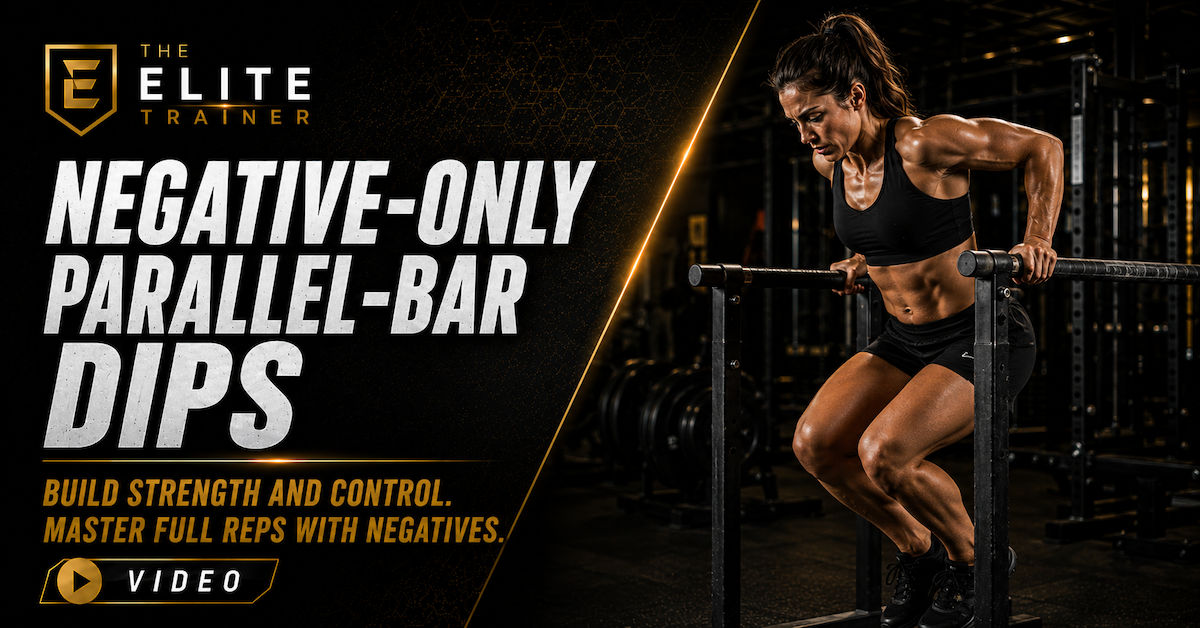
Negative-Only Parallel-Bar Dips
Negative-only dips help build the strength and control needed for full parallel-bar dips, especially when regular reps are not there yet.

Force Results with Triple Split Training
Most training advice says to nudge adaptation. Triple split training takes the opposite approach: push frequency and recovery tactics hard enough to force progress without completely crashing the system.

Keeping Up with Current Research (September 2016)
RIR scales, alternate-day fasting, strength training, mental imagery, and injury prevention all make the cut in this research roundup. The focus is practical application, not academic wallpaper.
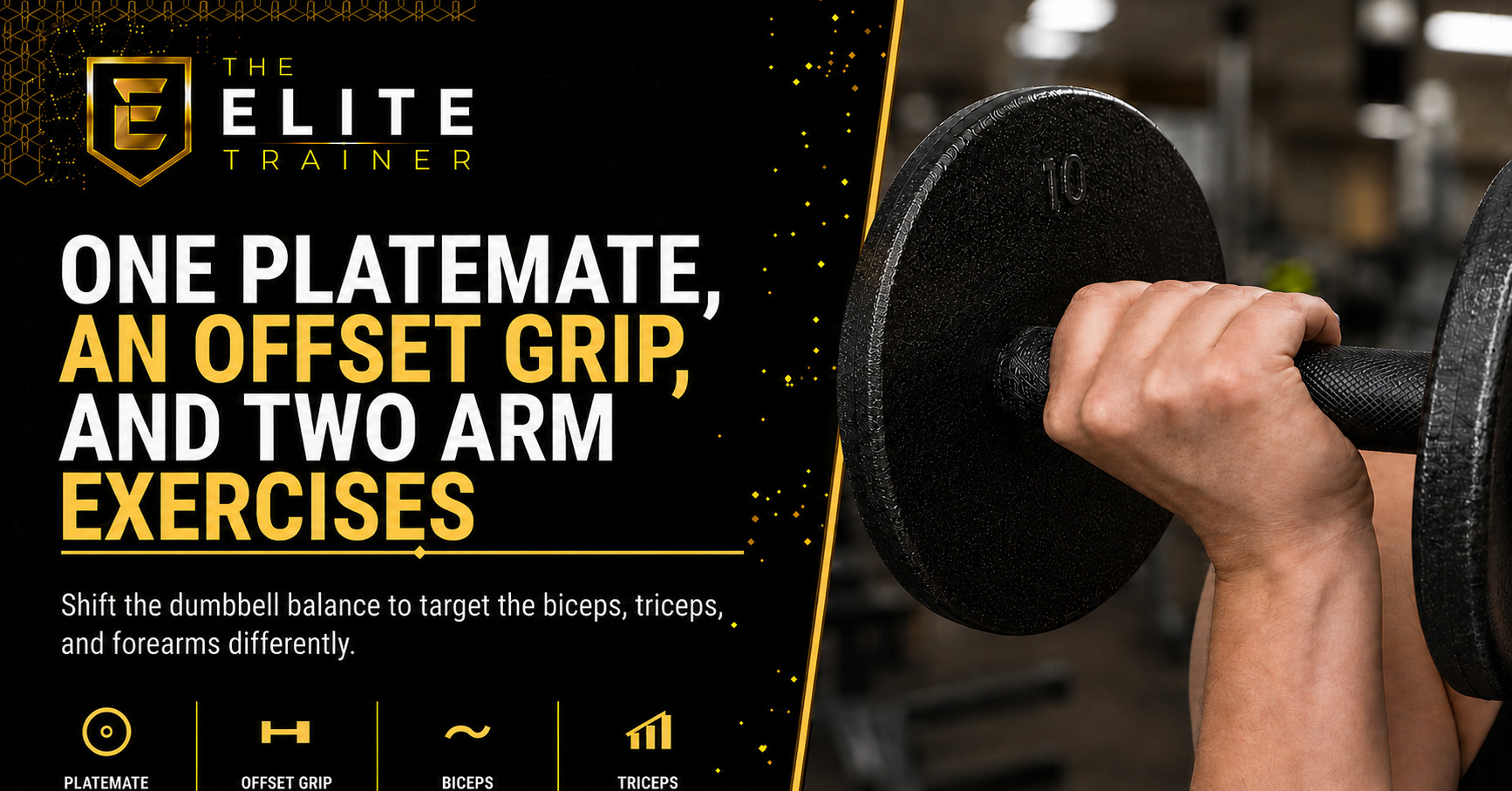
One PlateMate, an Offset Grip, and Two Arm Exercises
A small grip shift can change the way an arm exercise hits. Add a PlateMate, and standard dumbbell curls and extensions become more targeted, more awkward, and much more interesting.