

What Do Females and Endurance Athletes Have in Common?
Women and endurance athletes often handle higher-rep work differently than typical strength trainees. This piece explains why microloading and smarter progression matter when fatigue resistance is high.
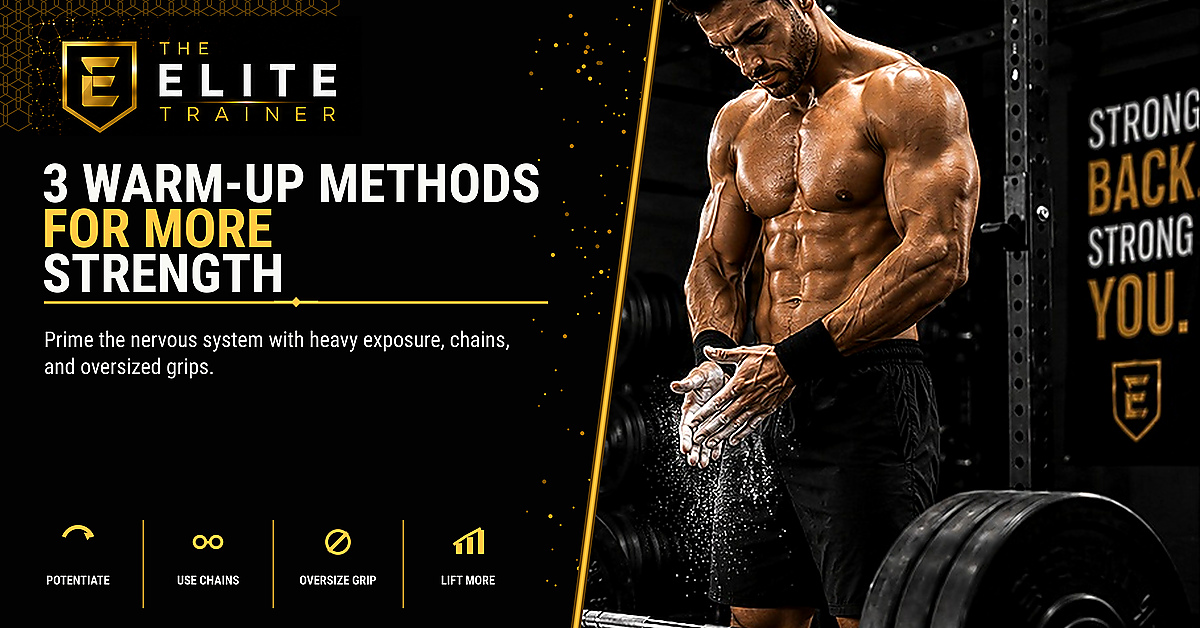
3 Warm-Up Methods for More Strength
Warming up is not just about getting warm. These three advanced methods use neural priming, chains, and oversized grips to make the working sets feel lighter and more explosive.

A Compliment, Sort Of
A backhanded compliment turns into a sharp reminder that staying in shape is built on boring habits most people avoid. Sleep, food, training, and discipline still beat wishful thinking.
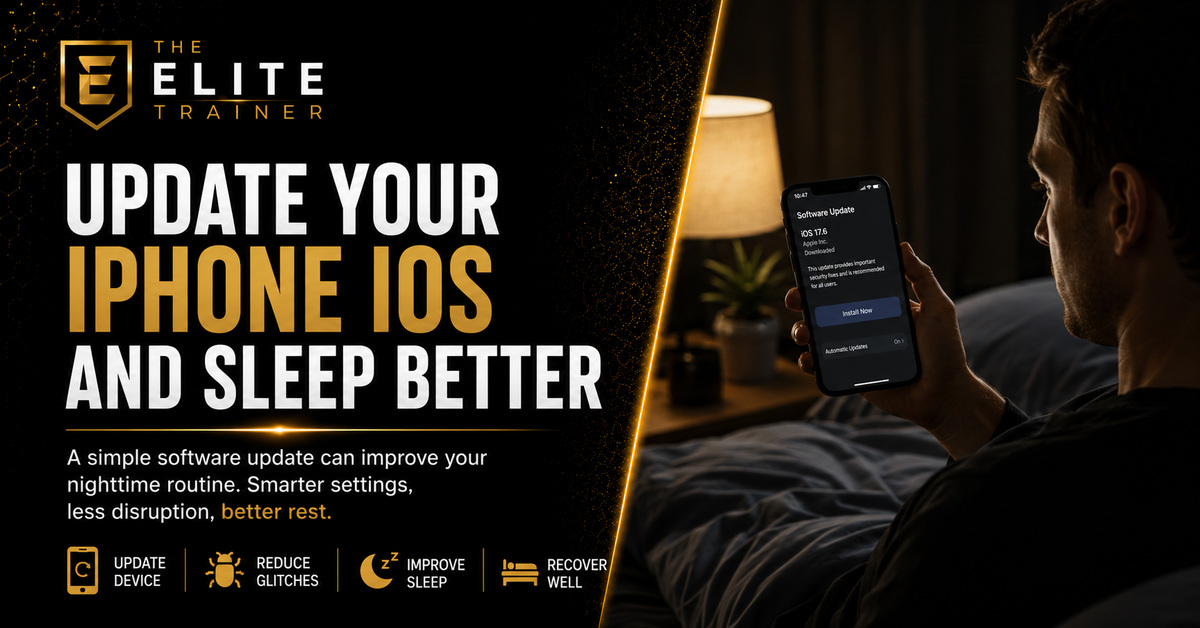
Update Your iPhone iOS and Sleep Better
Blue light can wreck your wind-down routine, but your phone may already have a built-in fix. Night Shift offers a simple way to reduce evening screen disruption and support better sleep habits.
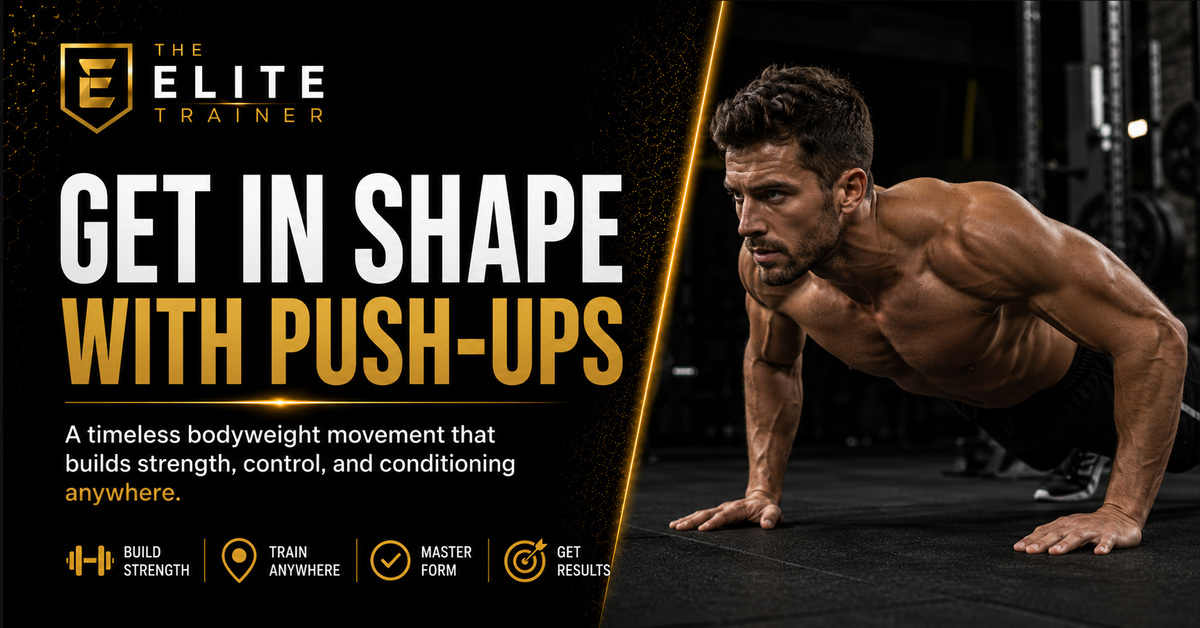
Get in Shape with Push-Ups
Sometimes the simplest exercise is the one that gets the job done. A school-year story about push-ups turns into a lesson on discipline, consistency, and old-school conditioning.

Don’t Leave a Presentation Before the Q&A
The best insights do not always happen during the main lecture. This piece pulls practical health and fitness lessons from a Q&A session on diet, lifestyle, fasting, and primal movement.

Intense Sunlight Promotes Deep Sleep
A dark bedroom matters, but daytime light exposure may matter even more. This sleep piece connects intense sunlight, circadian rhythm, and deeper recovery after long days in the sun.
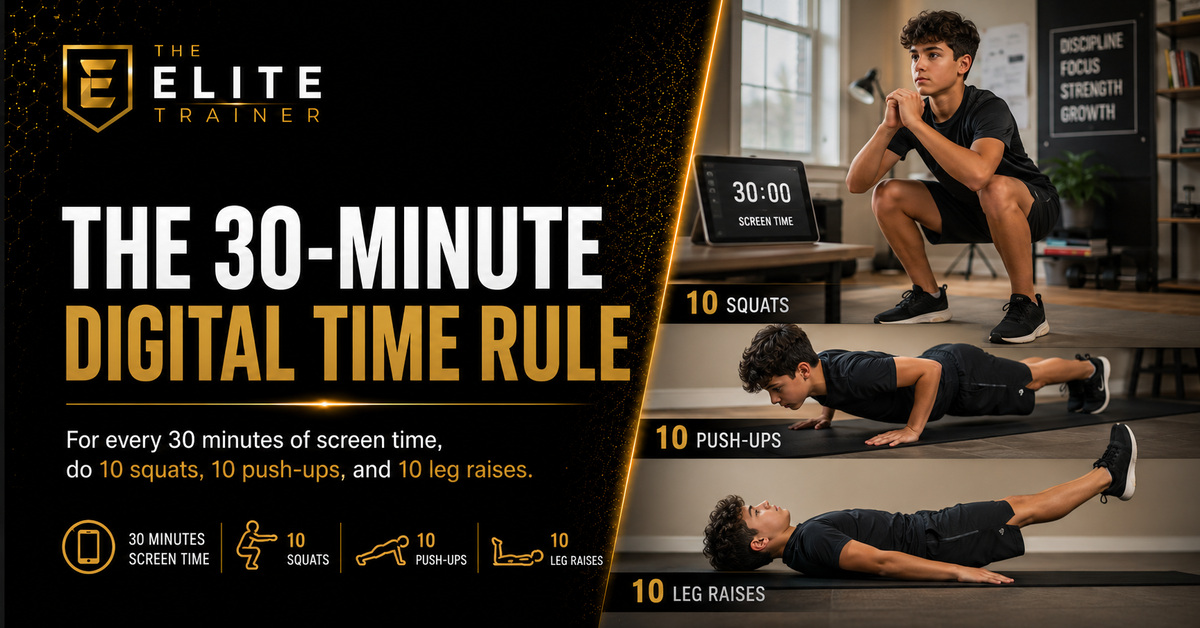
The 30-Minute Digital Time Rule
Screen time can either turn kids into couch sculptures or become a built-in movement trigger. The 30-minute digital rule adds squats, push-ups, and leg raises to every device session.

How to Bring Pasteurized Sauerkraut Back to Life
Not all sauerkraut brings probiotic firepower to the table. This food tip explains the difference between live and pasteurized options, plus a simple way to revive a budget-friendly jar.
Set Your Alarm Clock for Bed
Sleep consistency starts before the morning alarm. Setting a bedtime alarm can help lock in a better rhythm for recovery, energy, and training performance.
Physical Attributes and Testing Procedures for Athletes
Speed, power, body composition, and structural balance all matter when testing athletes. This interview-style piece outlines practical ways to evaluate performance across sports without worshipping one metric.
Training on an Empty Stomach
Fasted training is not always the badge of discipline people think it is. This video explains why pre-workout support can matter for hard sessions.
Strength Training During Pregnancy
Pregnancy does not automatically mean abandoning strength training. With smart exercise choices, proper positioning, and respect for individual needs, training can remain productive without trying to prove a point.
It’s No Longer Cool to ICE
Icing injuries has been treated like common sense for decades, but the evidence is not so simple. This piece challenges the automatic ice-pack response and asks whether pain relief is being confused with better healing.
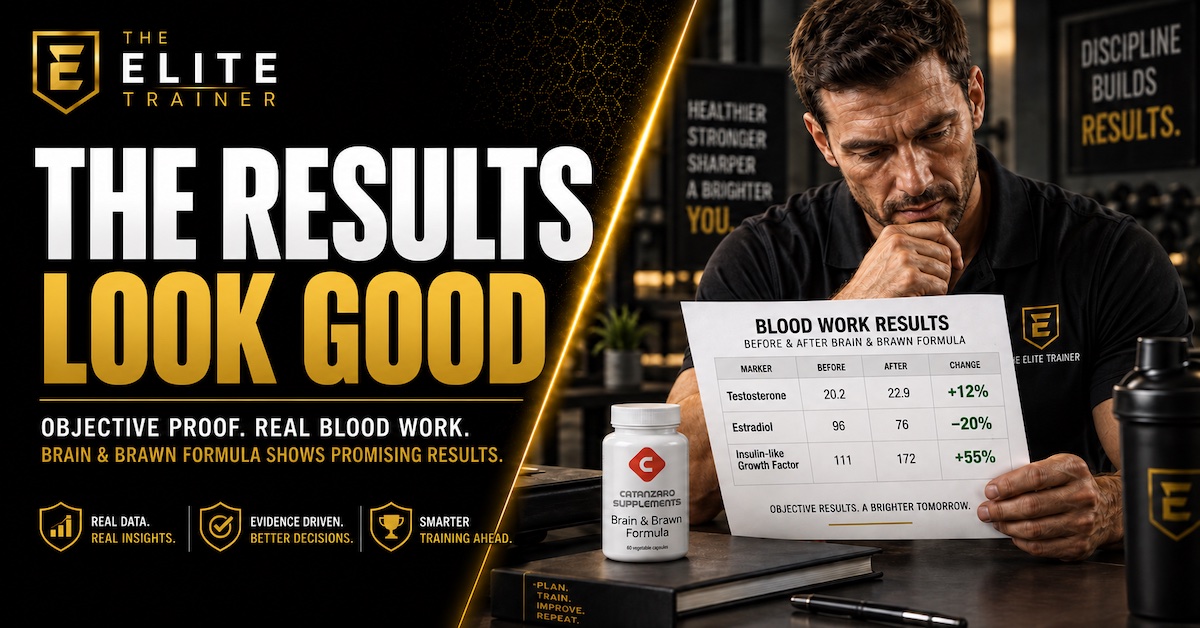
The Results Look Good!
Subjective feedback is useful, but numbers tell a sharper story. This update looks at blood work changes after using the Brain & Brawn Formula, including testosterone, estradiol, and IGF-1 markers.
Accommodating Resistance with Tubes & Bands (Part 2)
Elastic resistance can add load, reduce load, or change the strength curve entirely. Part 2 explains how bands assist or resist exercises like squats, bench presses, chin-ups, and dips.
Accommodating Resistance with Tubes & Bands (Part 1)
Bands and tubes are portable, affordable, and useful—but they are not magic. Part 1 breaks down where elastic resistance shines, where free weights still rule, and how trainers can choose the right tool.
A Potent Sleep Elixir
Falling asleep is not always as simple as closing your eyes. This short sleep piece shares a nighttime tea-and-relaxation strategy aimed at helping the body wind down before bed.
Keeping Up with Current Research (May 2016)
From warm-ups and deadlifts to posture, sprinting, hormones, and hypertrophy, this research roundup pulls practical takeaways for trainers who like their advice backed by more than gym folklore.
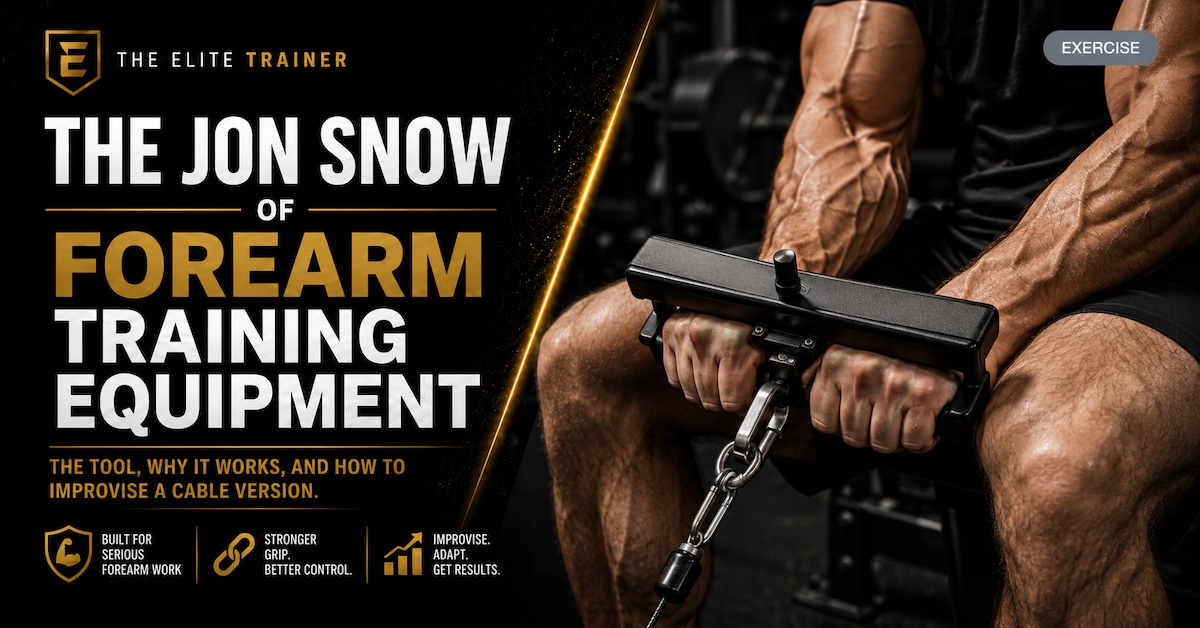
The Jon Snow of Forearm Training Equipment
The Formulator disappeared, came back, and still has a place in serious forearm work. Here’s a look at the tool, why it works, and how to improvise a cable version if you cannot get your hands on one.