
Three Squat Antagonists
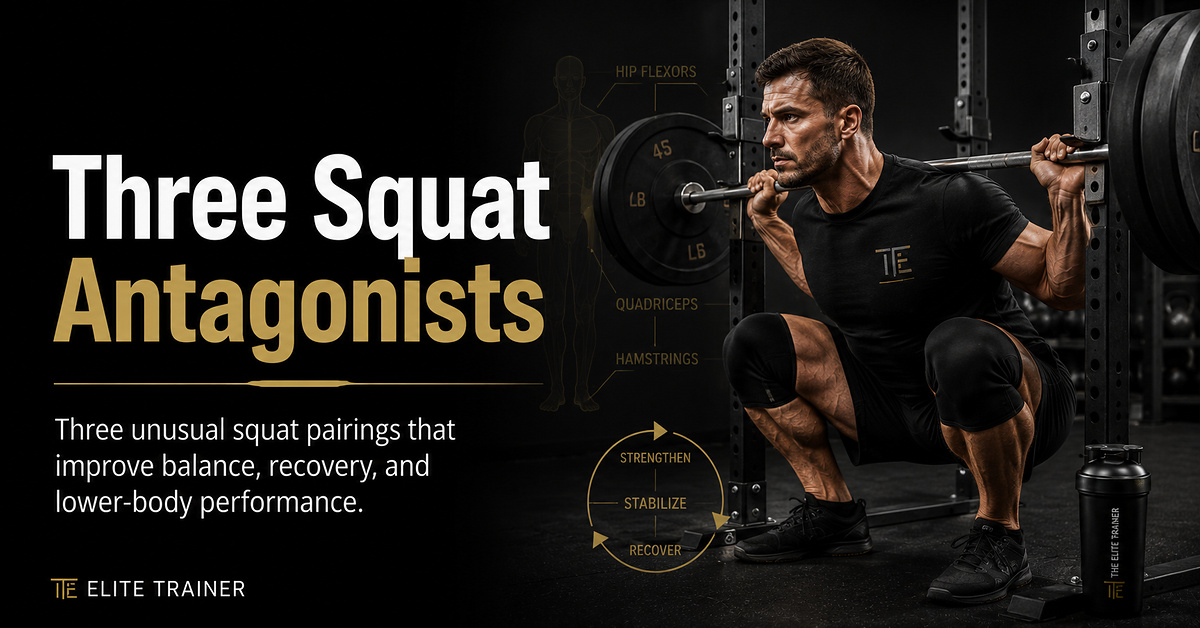
A programming article on pairing the squat with true antagonist movements. It introduces inverted squats, reverse cable squats, and reverse band squats as unconventional ways to balance heavy lower-body training.

A programming article on pairing the squat with true antagonist movements. It introduces inverted squats, reverse cable squats, and reverse band squats as unconventional ways to balance heavy lower-body training.

A clear case for improving posture through strength training rather than passive stretching alone. The article connects muscle balance, mobility, kyphosis, lordosis, and full-range lifting to better alignment.

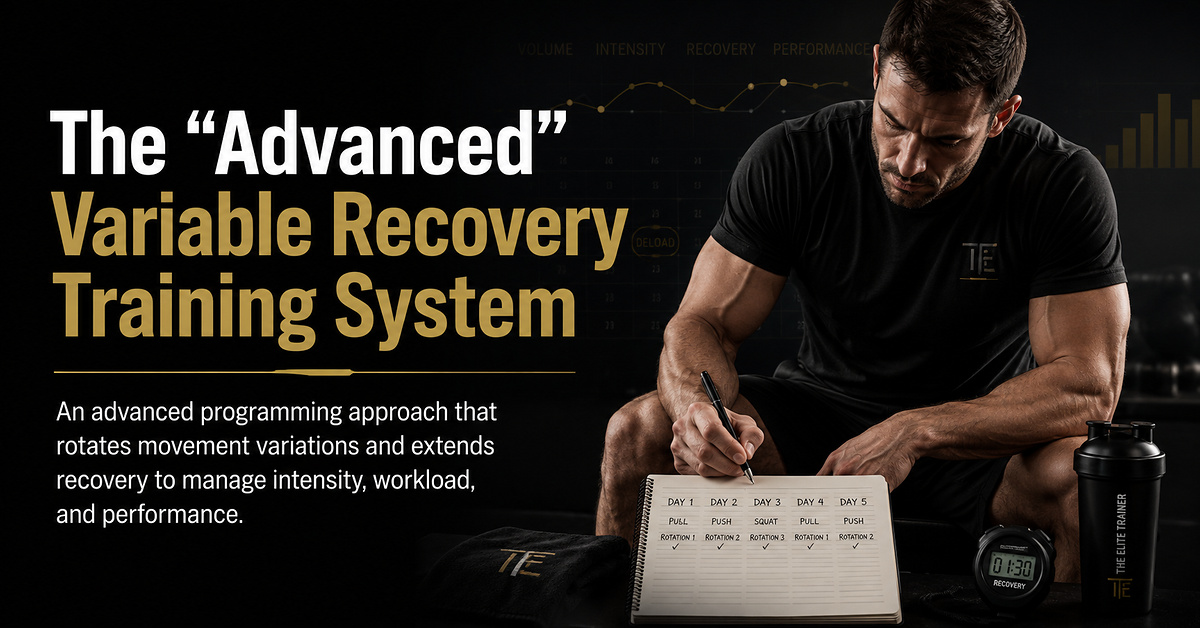
An advanced training structure built around variable recovery periods to manage intensity and performance. This is programming for lifters who need more than cookie-cutter sets, reps, and rest intervals.

A warning against jumping into ice after resistance training when the goal is adaptation, not just pain relief. The article argues that cold therapy may blunt the inflammatory signals involved in muscle growth and recovery.

A training-system hybrid that blends tempo work with strategic failure training. The idea is to get the benefits of controlled tension and high-effort sets without turning every workout into a reckless beatdown.

A discussion of muscle fiber distribution and why training should account for fast-twitch and slow-twitch tendencies. The article connects fiber type, exercise selection, and loading strategy for better strength and physique results.

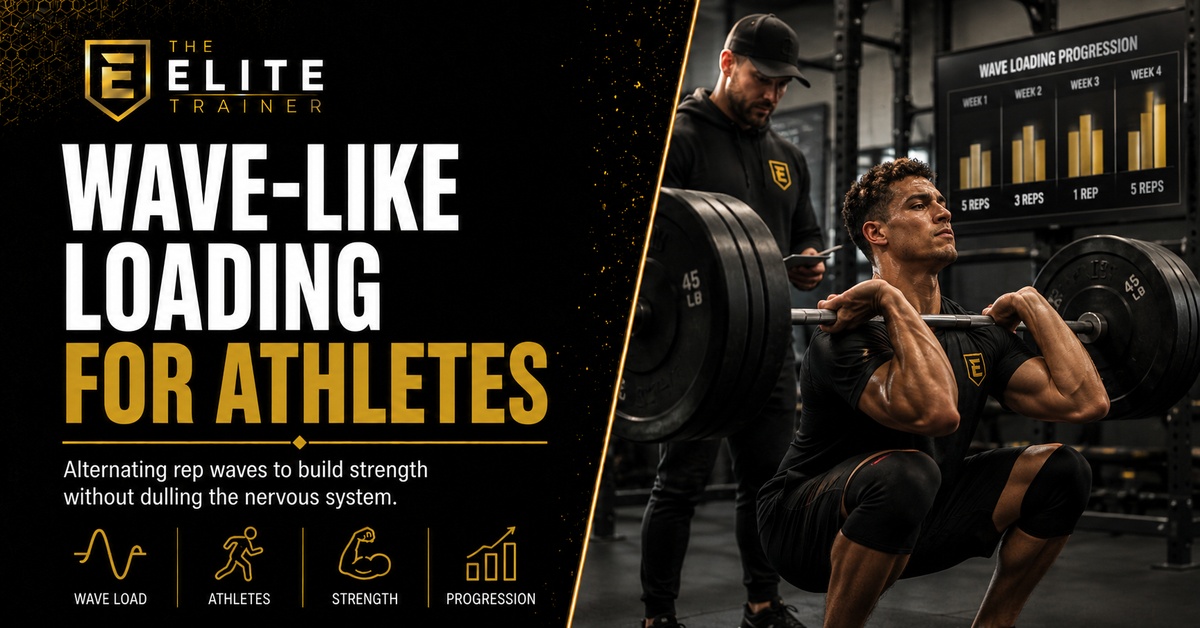
A quick loading template from Al Vermeil that keeps high-volume training from dulling the nervous system. The article lays out an 8-set wave structure that blends higher-rep work with heavier lower-rep sets for athletes.

A performance-focused argument against treating athletes like rehab patients. The article explains why dynamic athletes need dynamic core work, dynamic stretching, and training that actually resembles the demands of sport.

A pointed critique of pull-up research and a reminder that if you want to get better at pull-ups, specificity still rules.

A structured four-month plan combining undulating loading and conjugate-style thinking to target size, strength, power, and muscular endurance.