

What It Takes to Lose Weight Fast & Look Like an Actress
Rapid physique goals require honesty, not fantasy. John Paul answers a beach-body transformation question with a clear look at timelines, effort, training frequency, and what it really takes.

Core Issues: Dispelling Myths and Misconceptions of Abdominal Training (Part 5)
Breath control can change strength, stability, and performance. Part 5 explores intra-abdominal pressure, the Valsalva maneuver, and why proper breathing matters beyond the weight room.

Core Issues: Dispelling Myths and Misconceptions of Abdominal Training (Part 4)
Drawing in your navel during exercise may not be the protective strategy many believe it is. Part 4 explains why bracing, stability, and proper core tension matter under load.

Core Issues: Dispelling Myths and Misconceptions of Abdominal Training (Part 3)
Are upper and lower abs really separate, or is that just gym folklore? Part 3 examines abdominal recruitment, exercise selection, and how different movements can target different regions.

Core Issues: Dispelling Myths and Misconceptions of Abdominal Training (Part 2)
Heavy compound lifts may build more abdominal strength than most people realize. Part 2 explains why squats, deadlifts, pull-ups, and overhead presses deserve a place in serious core training.

Core Issues: Dispelling Myths and Misconceptions of Abdominal Training (Part 1)
Everyone wants better abs, but most core training advice is buried under myths. Part 1 launches a five-part series that challenges common assumptions about abdominal training.
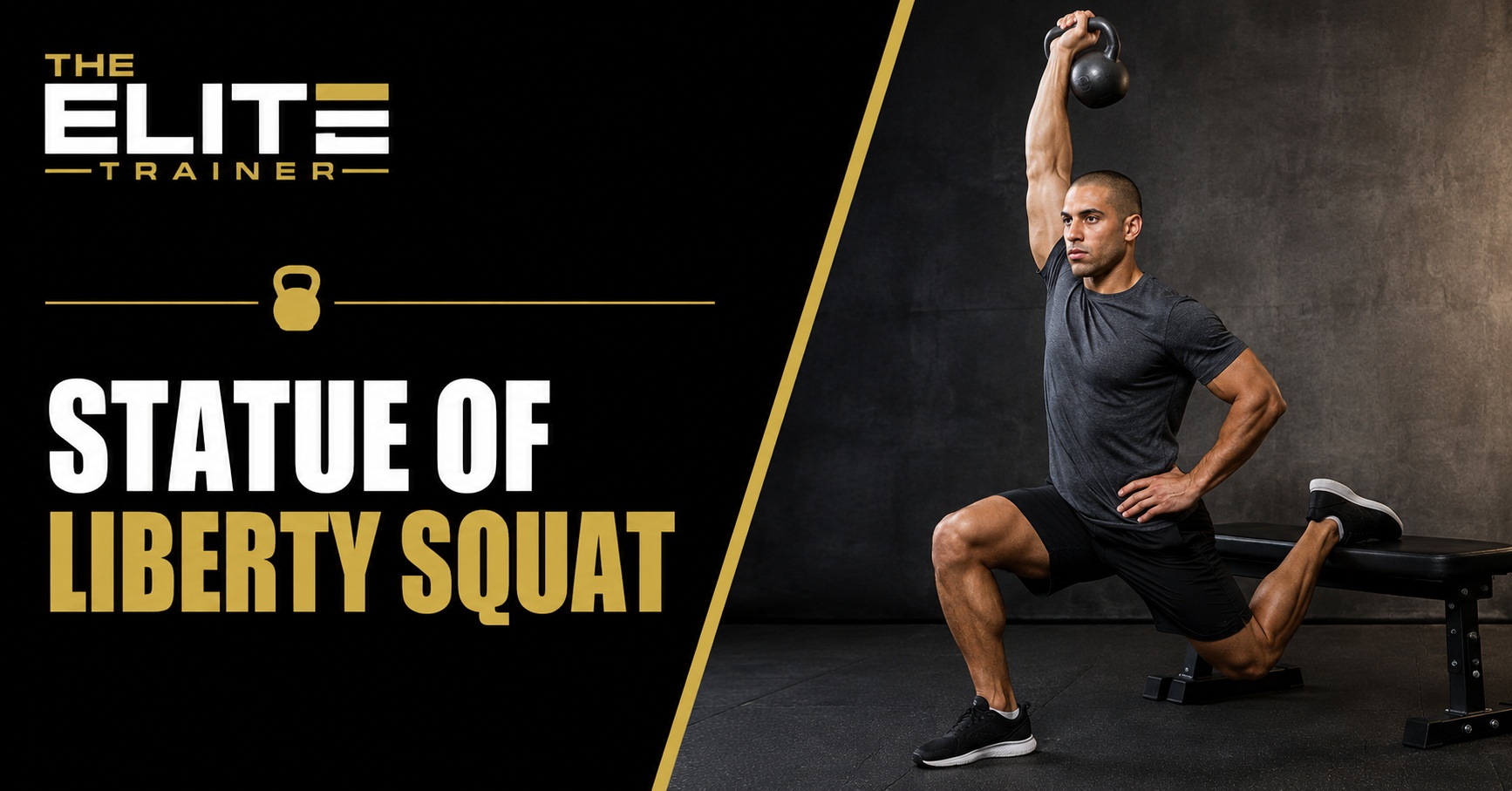
Statue of Liberty Squat
The rear-foot-elevated split squat gets a mobility upgrade with one simple change. John Paul introduces the Statue of Liberty Squat to stretch the hip flexors and load a longer fascial line.

How I Deal With My Nutritional Vice
Even disciplined nutrition has its indulgences. John Paul talks espresso, red wine, aluminum concerns, and how he manages the habits he enjoys without pretending to be perfect.
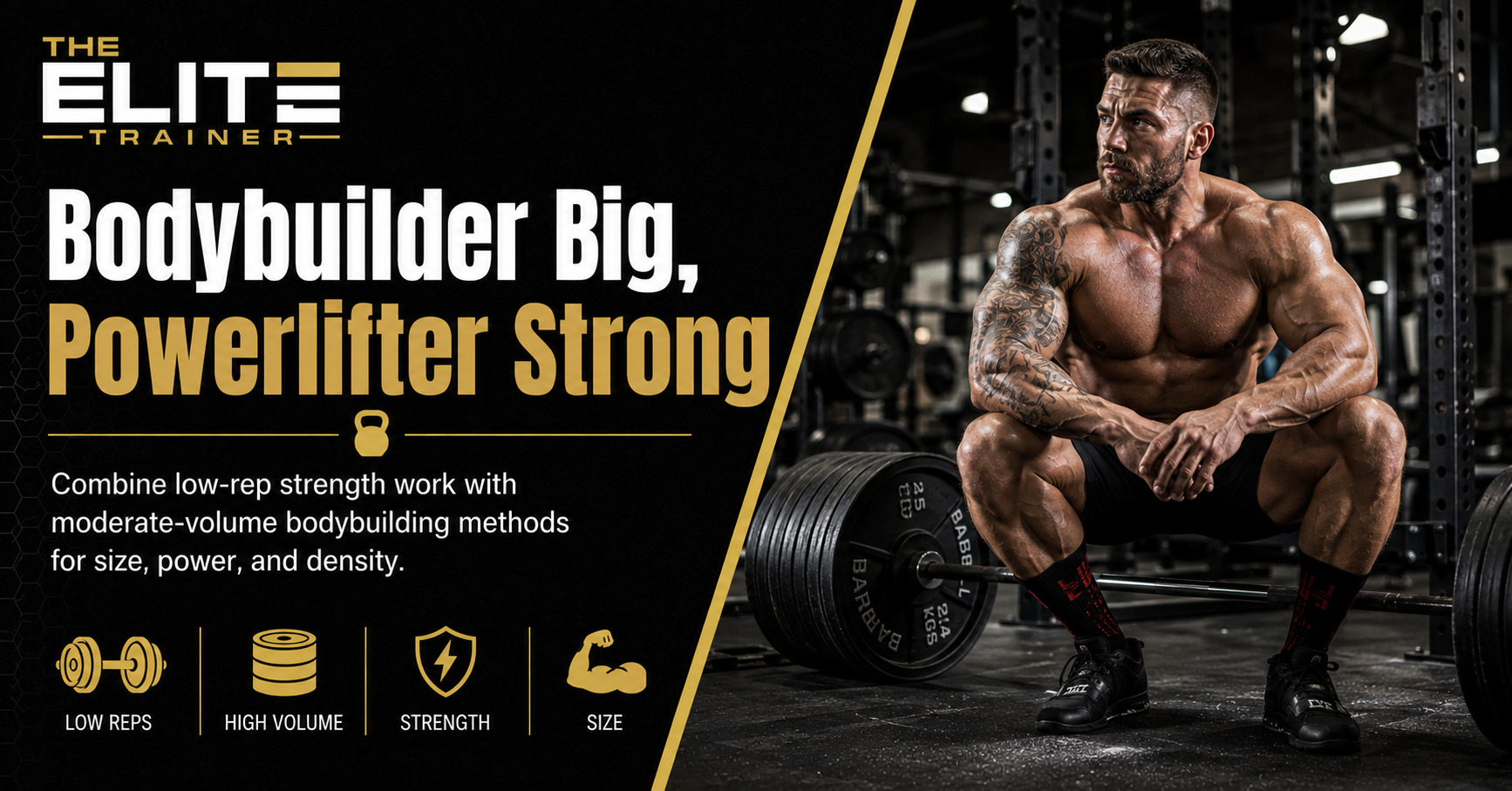
Bodybuilder Big, Powerlifter Strong
Size and strength overlap, but they are not the same thing. John Paul compares bodybuilding and powerlifting adaptations through time under tension, hypertrophy type, and loading strategy.

A Great Way to Reduce Post-Workout Soreness
Post-workout soreness can derail consistency if recovery is neglected. John Paul explains why BCAAs have long been valued by lifters and how they may fit into a serious training plan.

Are Great Athletes Born or Made?
Elite results are not always proof of elite coaching. John Paul digs into genetics, training, and the uncomfortable truth about how much coaches can—and cannot—take credit for.

My Thoughts on the Functional Movement Screen
The Functional Movement Screen has value, but it is not the final word on movement assessment. John Paul offers a practical take on when assessments help, when they waste time, and how trainers should think for themselves.

Periodization for Bodybuilders: How to Plan Strength Training for Maximum Muscle Mass
Random workouts lead to random results, especially when muscle growth stalls. John Paul explains how bodybuilders can use periodization to keep progressing with a logical sequence of training phases.

Periodization for Athletes: How to Plan Strength Training for Maximum Performance
Athletic strength gains do not happen by accident. John Paul explains how periodization organizes training phases so athletes can build strength, power, hypertrophy, and performance at the right time.

Sticks, Stones, and Pink Dumbbells May Break Your Bones
Fragile bones are not fixed with baby weights and fear-based training. John Paul argues for serious strength work as a key weapon against weakness, aging, and loss of resilience.

How to Achieve 20 Chin-Ups
Twenty strict chin-ups may sound unrealistic, but the goal becomes much clearer when you control body weight, build relative strength, and train the movement properly. John Paul lays out the factors that matter most.

Cardio Can Make You Fat
A strong argument for high-intensity cardio over long, low-intensity work when fat loss is the goal. The video connects EPOC, lactic acid, growth hormone, and smarter conditioning choices.

The Leftover-Dinner Breakfast
Breakfast does not have to mean cereal, toast, or sugar in a bowl. John Paul makes the case for using leftover dinner to start the day with real protein and better nutrition.
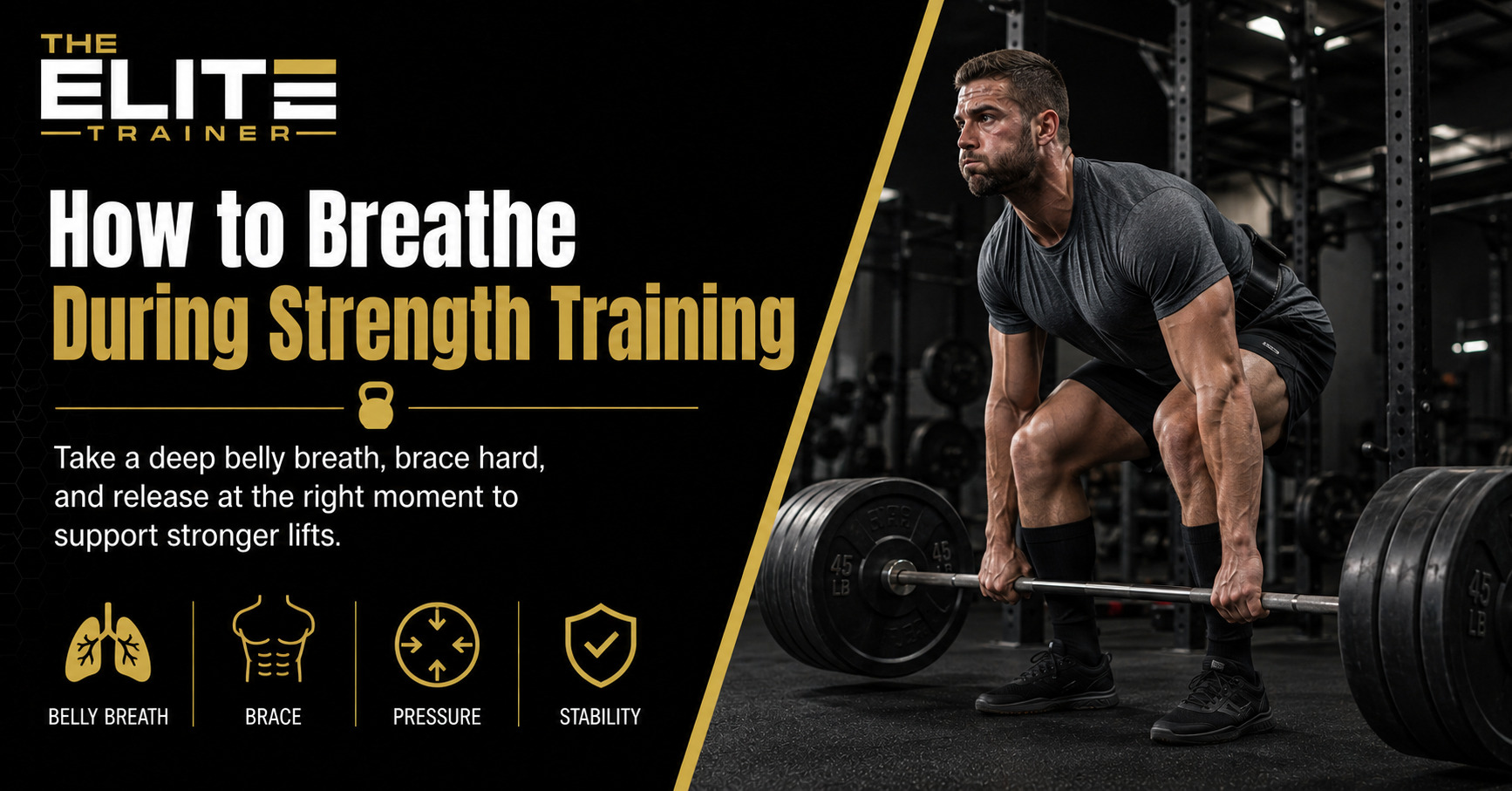
How to Breathe During Strength Training
Breathing during heavy lifting is more than an afterthought. John Paul explains when to brace, when to breathe, and why the Valsalva maneuver has a place in serious strength training.
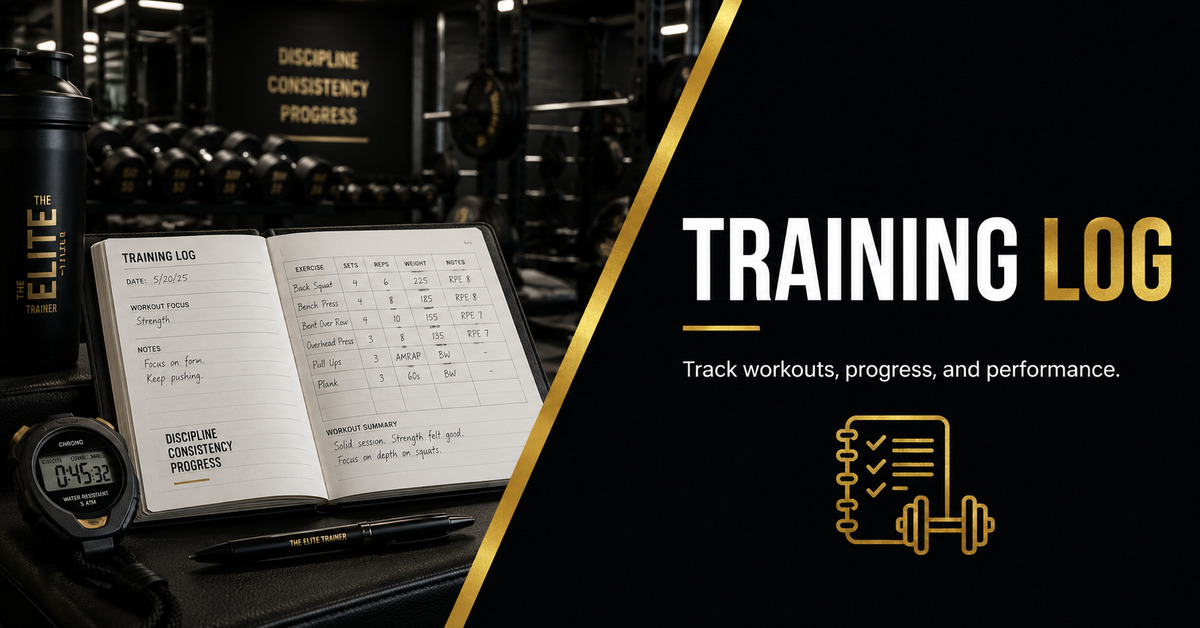
Training Log
Progress is hard to prove when you do not record it. John Paul explains why a training log remains one of the simplest and most powerful tools for measuring improvement.