

New Year, New You!
Transformation takes more than a New Year’s promise. A client story shows how assessment, progressive training, nutrition, and recovery can turn stalled intentions into measurable results.

Vacation Readiness Reset
Sometimes the best recovery tool is a real break. A week of sun, rest, and circadian-resetting habits produced a dramatic jump in readiness scores after vacation.

Do a Deadlift, Not a Bouncelift!
Deadlifts should start from a dead stop, not a bounce off the floor. Chantal’s controlled reps show how strict technique, patience, and form-first lifting beat sloppy weight chasing.
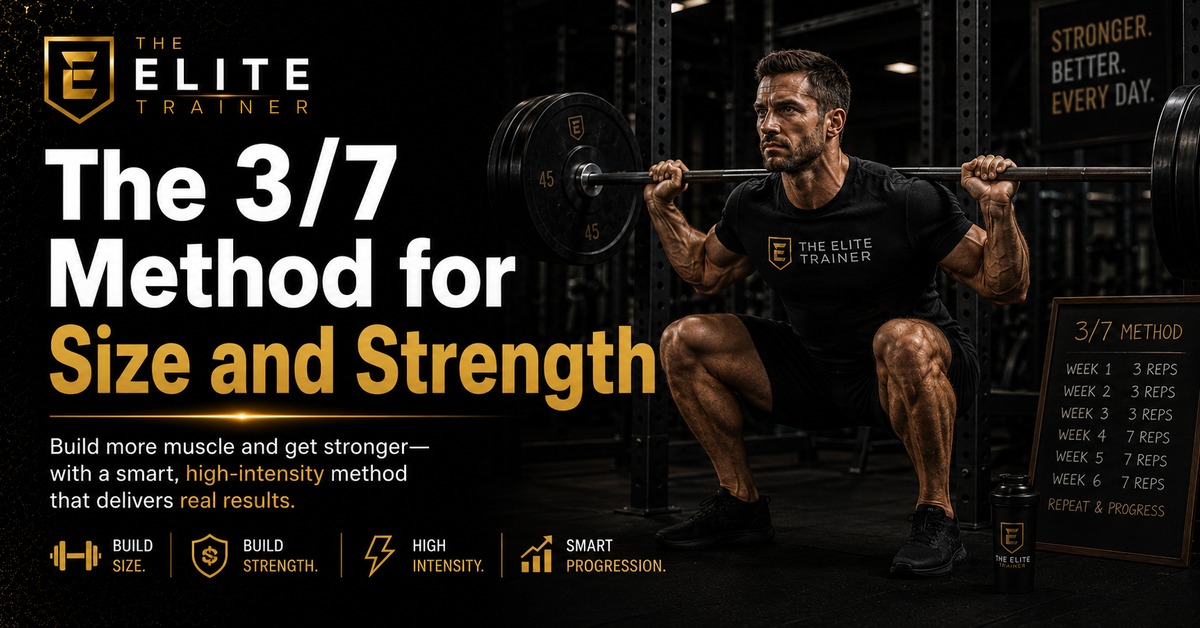
The 3/7 Method for Size and Strength
The 3/7 method packs serious training density into a short window. Discover how escalating mini-sets with brief rest periods may help drive strength and hypertrophy gains.

4 Black Friday Deals
Fitness equipment deals are only useful when the tools actually improve training. Swissies, Angles90, a tib bar, and Neuro-Grips get the spotlight in this practical Black Friday roundup.

Supplement with Collagen Peptides
Collagen peptides are more than another supplement trend. Key takeaways from a recovery and inflammation webinar show how collagen, glycine, vitamin C, and food-based support may fit into joint and connective-tissue health.

Don’t Do Tire Flips
Tire flips may look hardcore, but the risk can outweigh the reward. A closer look at mechanics, biceps injuries, and strongman data explains why this exercise deserves caution.

Move to Heal
Rest and ice are not the only options after an injury. The METH method puts movement first and uses active recovery to support a smarter return to function.

Sitting is the New Smoking
Long stretches of sitting can work against muscle and metabolic health. Short activity snacks, from chair squats to quick walks, may help break up sedentary time and support better training results.
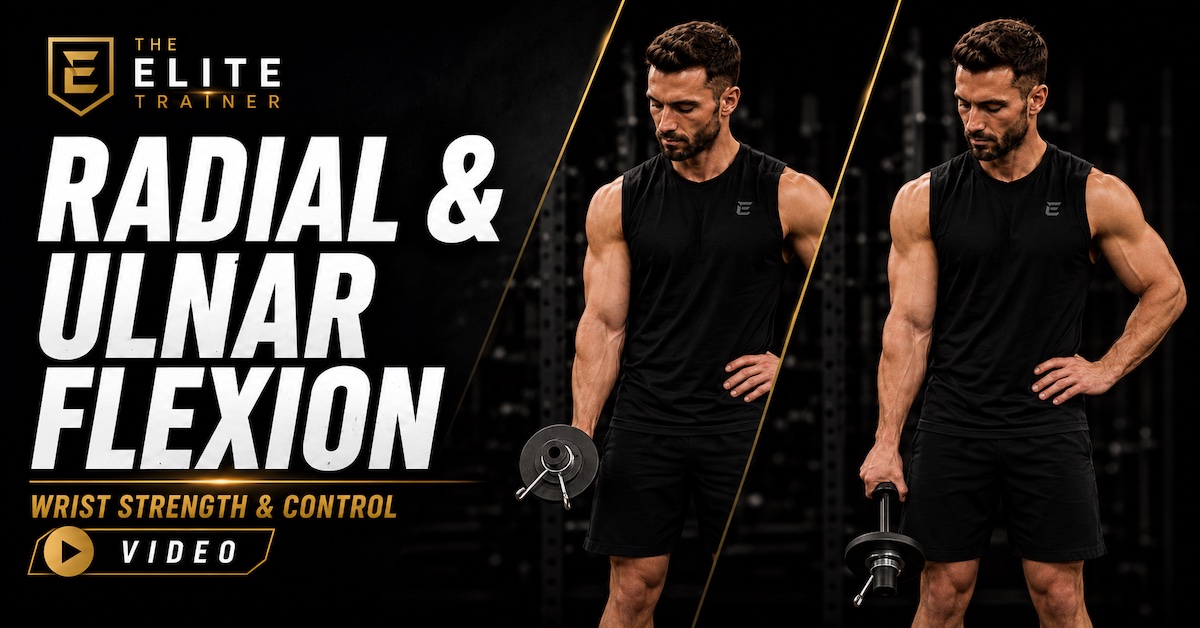
Radial and Ulnar Flexion
Radial and ulnar flexion are not glamorous, but balanced wrists and forearms need more than curls and extensions. These neglected movement patterns deserve periodic programming.

Thumbs Up for Virtual Training
Virtual training started as a pandemic solution and became a smarter business model. See how remote coaching changed one trainer’s schedule, service delivery, and long-term approach.

Normal Blood Pressure with Red Meat and Salt
Red meat, salt, strength training, and blood pressure rarely get discussed without fear. One personal snapshot challenges the usual assumptions while pointing readers toward a stronger, more individualized view of health.
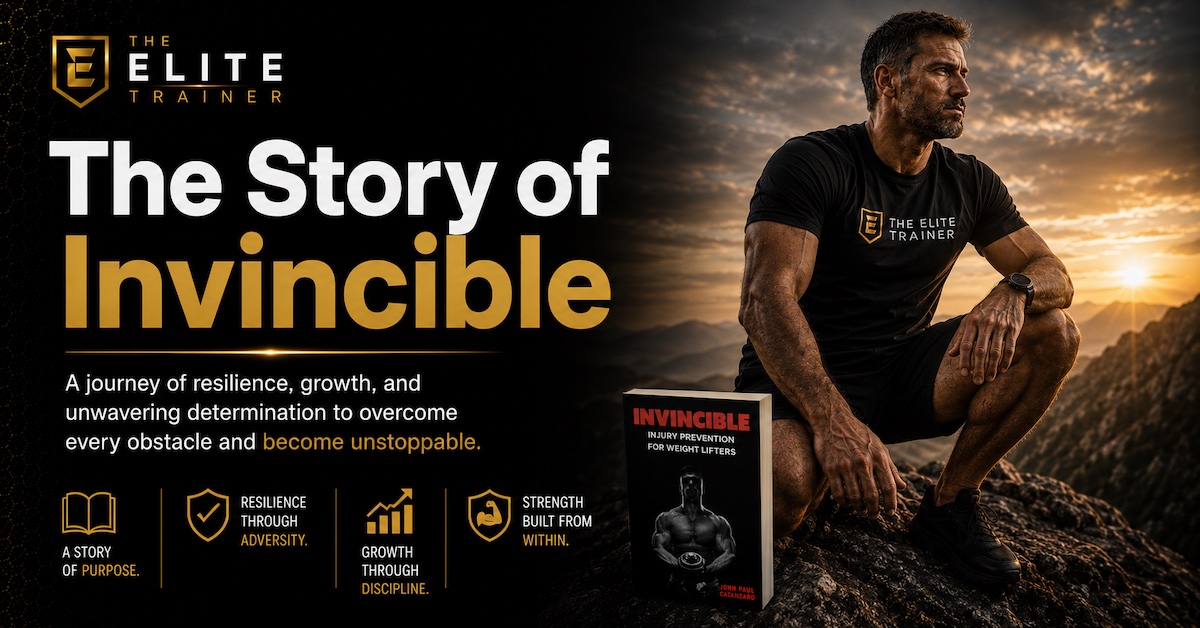
The Story of Invincible
Behind every book is a story, and Invincible is no exception. Get the background on how a seminar on injury prevention became a webinar, then a full book for serious lifters.
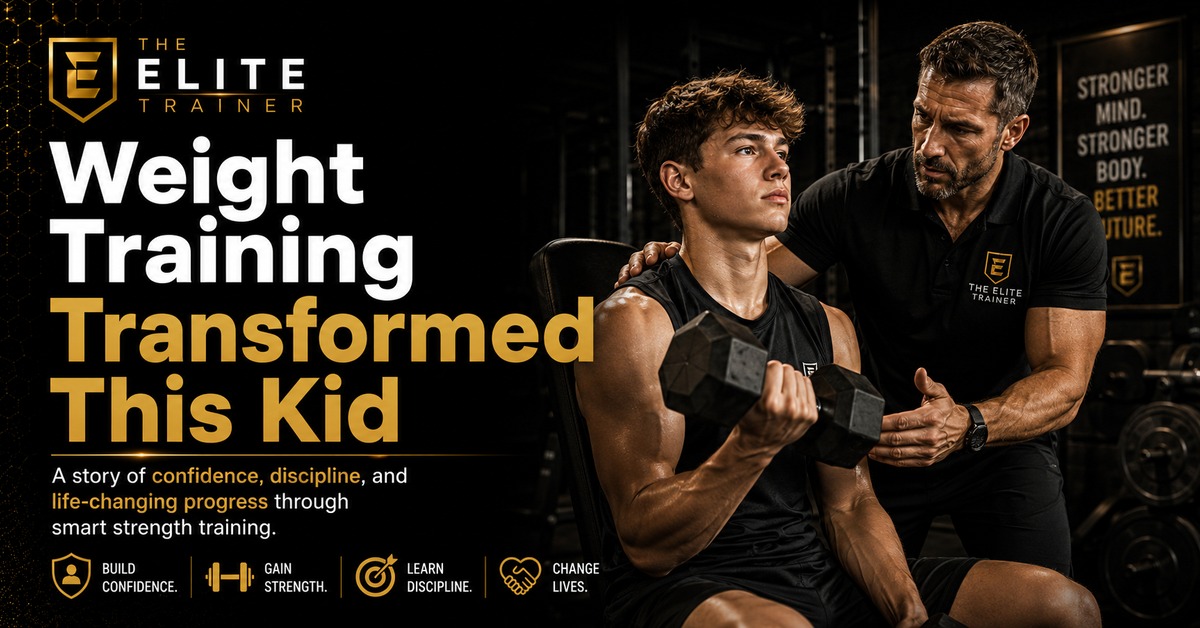
Weight Training Transformed This Kid
Strength training can do more for kids than build muscle. Joseph’s transformation shows how structured weight training can support confidence, discipline, school performance, and physical development.

Homemade Pickles
Don’t toss the brine when the pickles are gone. Reusing it with fresh cucumbers is an easy way to keep fermented vegetables, probiotics, and salty crunch in your diet.

0 to 10 on Chin-Ups and Dips
Chin-ups and dips are skills that reward real training, not random exercise. Amanda’s progress from zero to ten reps shows what consistent programming, recovery, and patience can do.

Keeping Up with Current and Not-So-Current Research (August 2022)
Recent and classic research can change how coaches think about sleep, training, nutrition, toxins, longevity, and daily movement. Here are several findings worth putting on your radar.
My Favorite Leg Finisher
Twenty-rep squats hit differently at the end of a hard leg session. Done after the main work, they can build muscle, test mental toughness, and create a massive conditioning effect.

An Experienced Trainer Shouldn’t Do This!
Professionalism matters long before a client ever books a session. A sloppy trainer advertisement becomes the setup for a sharper lesson on reputation, referrals, and business standards.

Semi-Supinated Chin-Ups
Elbows and wrists don’t always love straight-bar chin-ups. Semi-supinated chin-ups offer a more joint-friendly grip option while keeping the movement brutally effective.