
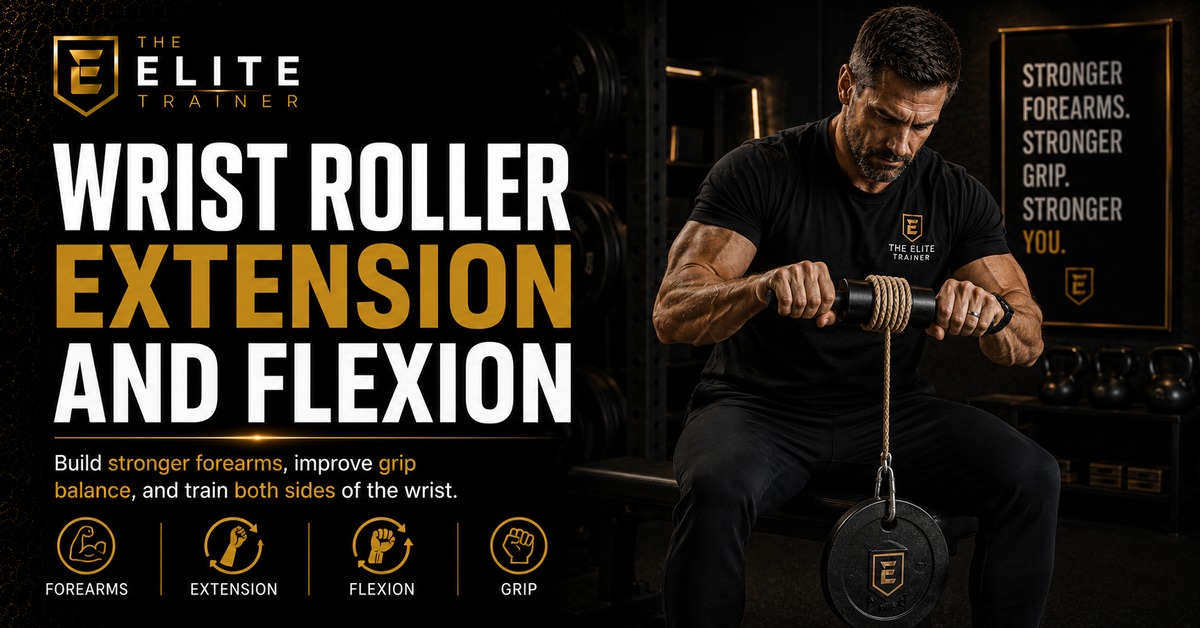
Wrist Roller Extension and Flexion
Wrist roller work can light up the forearms from both directions. Use extension and flexion variations to build lower-arm strength with a serious burn.
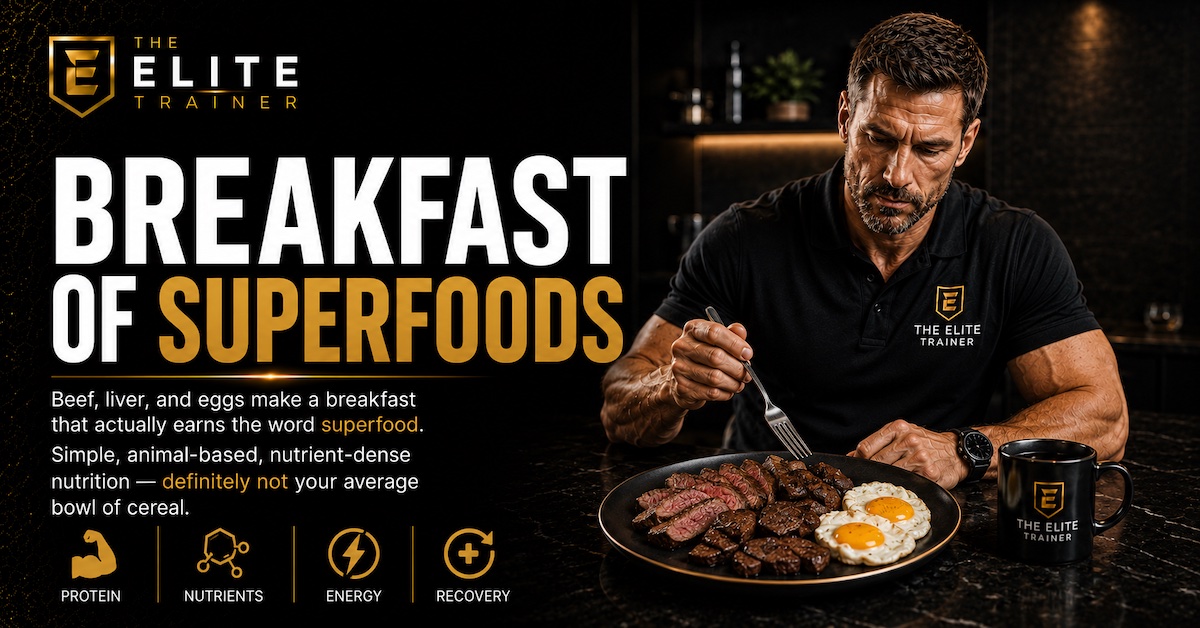
Breakfast of Superfoods
Beef, liver, and eggs make a breakfast that actually earns the word superfood. Simple, animal-based, nutrient-dense, and definitely not your average bowl of cereal.

6 Tips for a Good Night’s Sleep
Better sleep starts with habits that actually support recovery. These six practical tips cover the basics for winding down, staying consistent, and improving nightly rest.
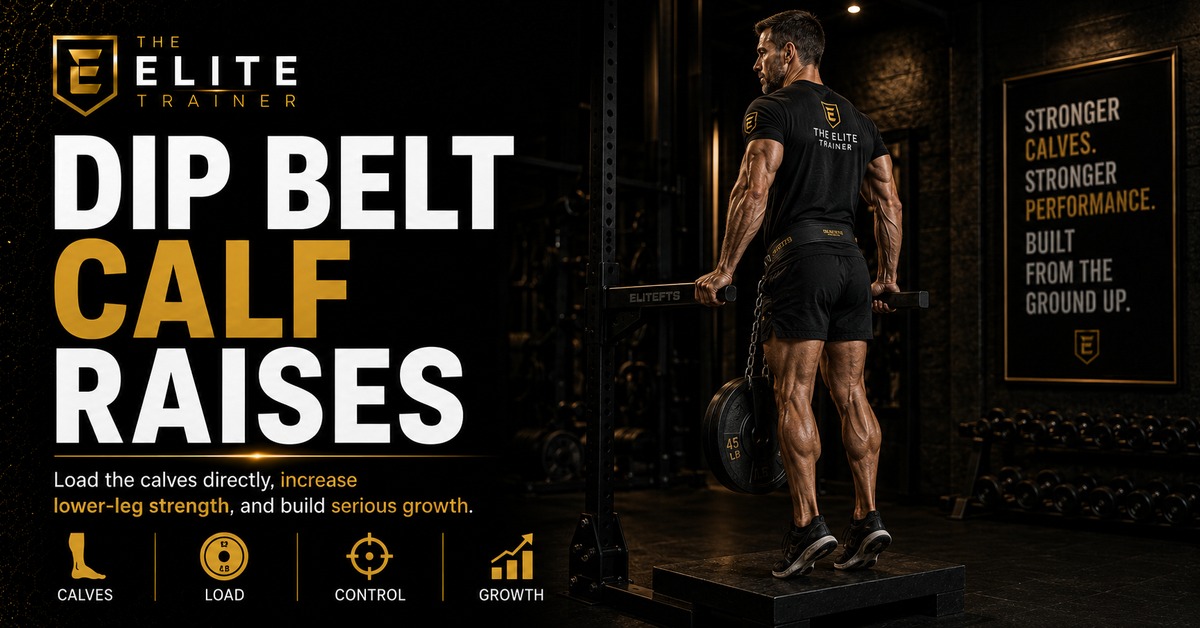
Dip Belt Calf Raises
Dip belt calf raises are simple, nasty, and effective. With a belt, plates, and a step, you can turn basic equipment into a serious calf-building setup.
Seated One-Leg Calf Raises
One-leg seated calf raises expose side-to-side differences that bilateral work can hide. Train the soleus directly and give each calf nowhere to cheat.
A Cure for Arthritis
Arthritis doesn’t have to mean surrendering to inactivity. Smart, progressive exercise can help people keep moving instead of treating joint pain like a life sentence.
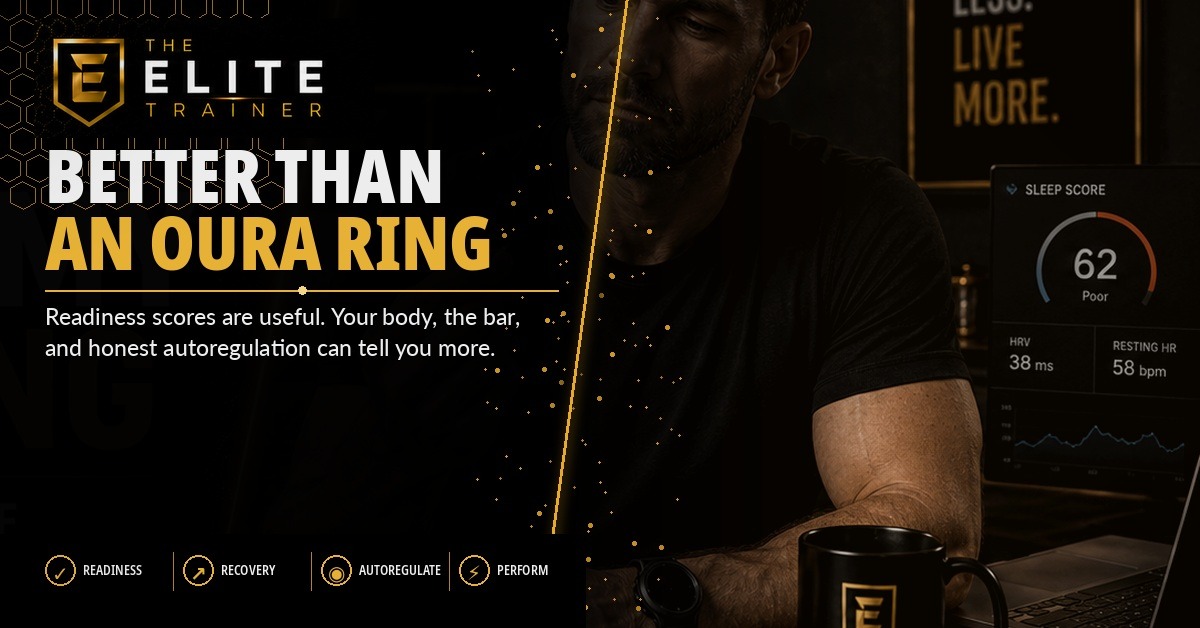
Better Than an Oura Ring
Readiness scores are useful, but they don’t replace what the bar tells you. Sometimes the smartest training decision is to shut it down and come back stronger tomorrow.
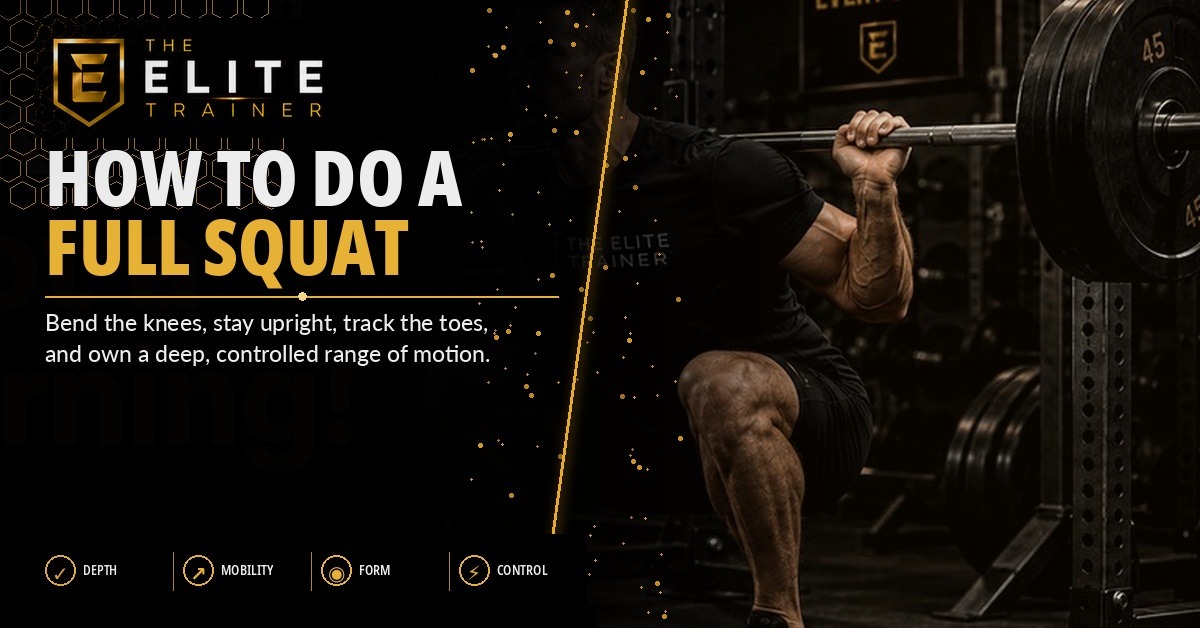
How to Do a Full Squat
Full squats reward mobility, control, and honest range of motion. Partial reps may move more weight, but depth changes the work being done.
An Incline Press Antagonist
Incline pressing needs the right pulling partner. The lean-away pull-up is a smart antagonist choice for balancing upper-body movement patterns.

The 24-Hour Weigh-In Experiment
Scale weight can swing wildly in a single day, which is exactly why it should never be your only progress marker. Track body composition with more context and less panic.
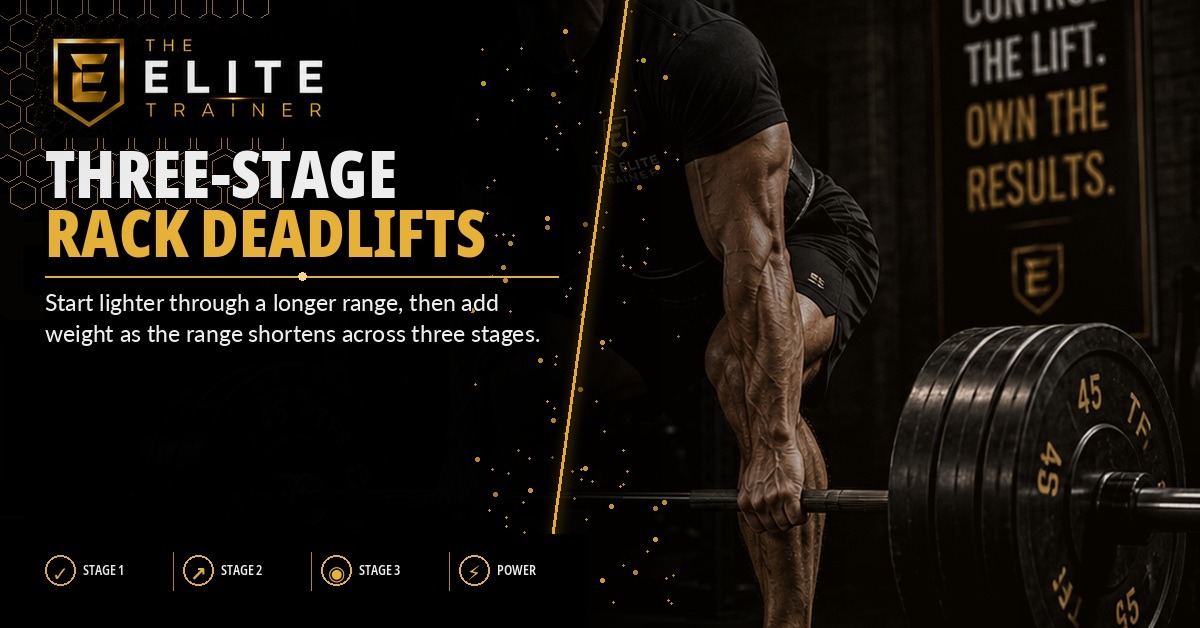
Three-Stage Rack Deadlifts
Rack deadlifts don’t have to be one-dimensional. This three-stage sequence manipulates range of motion and loading to build the pull from different positions.
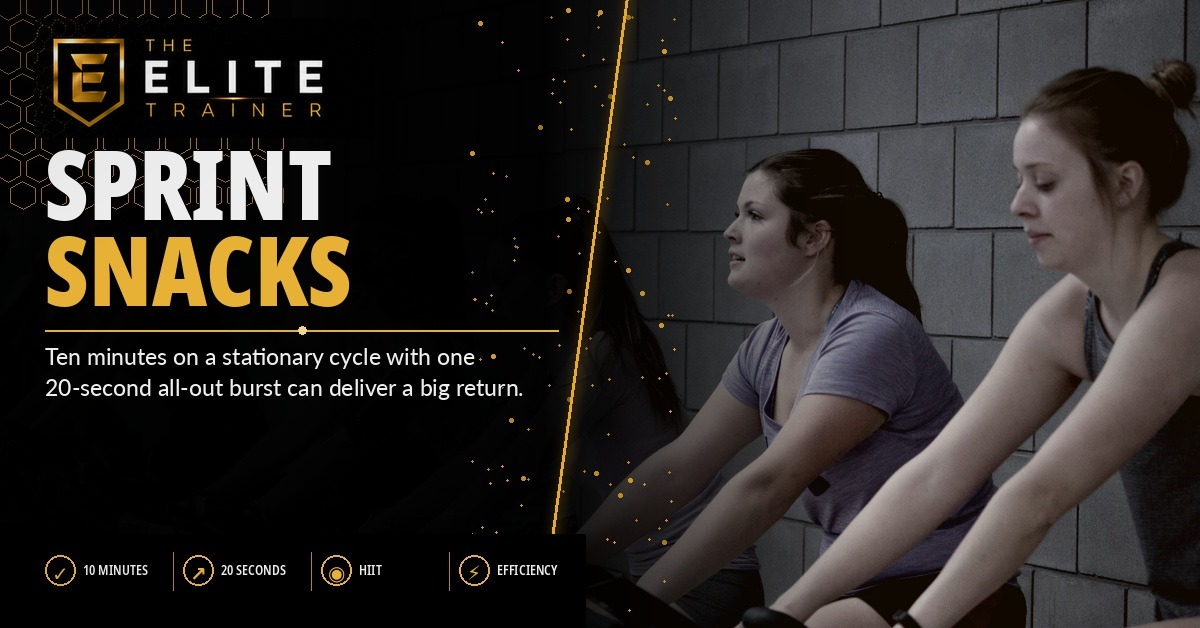
Sprint Snacks
Sprint snacks give conditioning a hard, time-efficient edge. Short bursts of high-intensity work can fit into a weekly plan without turning every day into a marathon.
The Magnesium Fix
Magnesium is involved in far more than muscle cramps. Digestion, mineral absorption, fatigue, hydration, and vitamin D balance all enter the conversation.
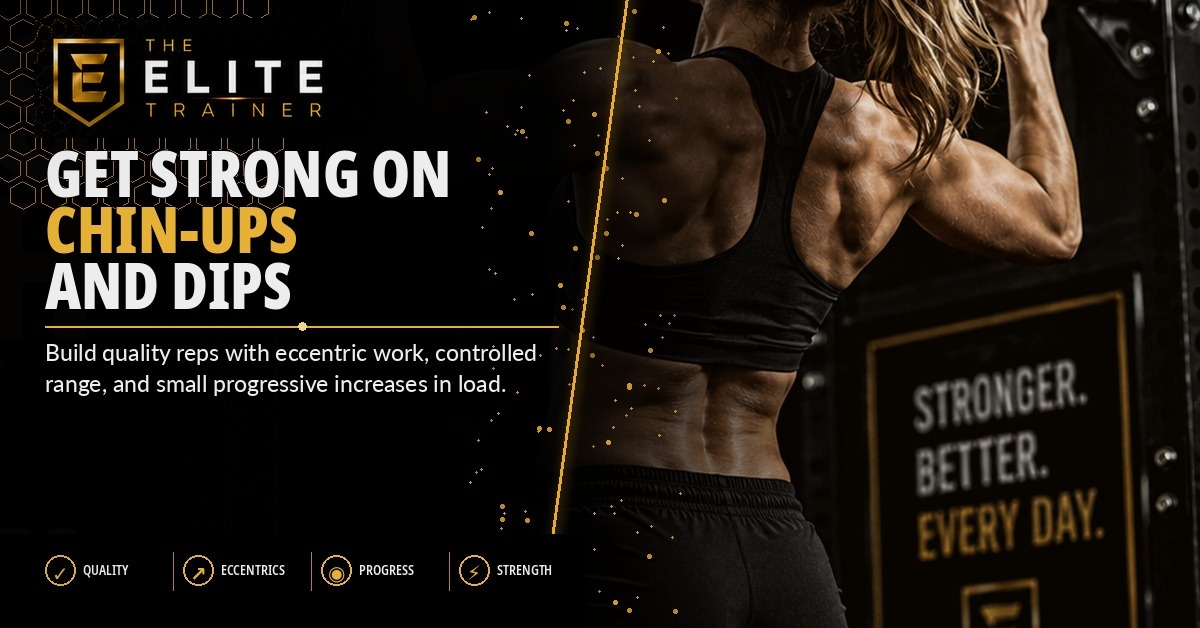
Get Strong on Chin-Ups and Dips
Chin-ups and dips respond to patient progression, smart loading, and consistency. Amanda and Heather’s progress shows how eccentric work can build real upper-body strength.
Build Happy Shoulders
Happy shoulders are built by respecting the small stabilizers, not just hammering the big lifts. Add the right C-series work and your upper body training becomes more complete.

Periodization of Shoulder External Rotation
Shoulder health requires more than pressing and pulling the big muscles. Periodized external rotation work helps address the small rotators that too many programs neglect.

Tibialis Anterior Band Pull
The tibialis anterior rarely gets the attention it deserves. A simple band pull gives this overlooked shin muscle direct work for better lower-leg balance.
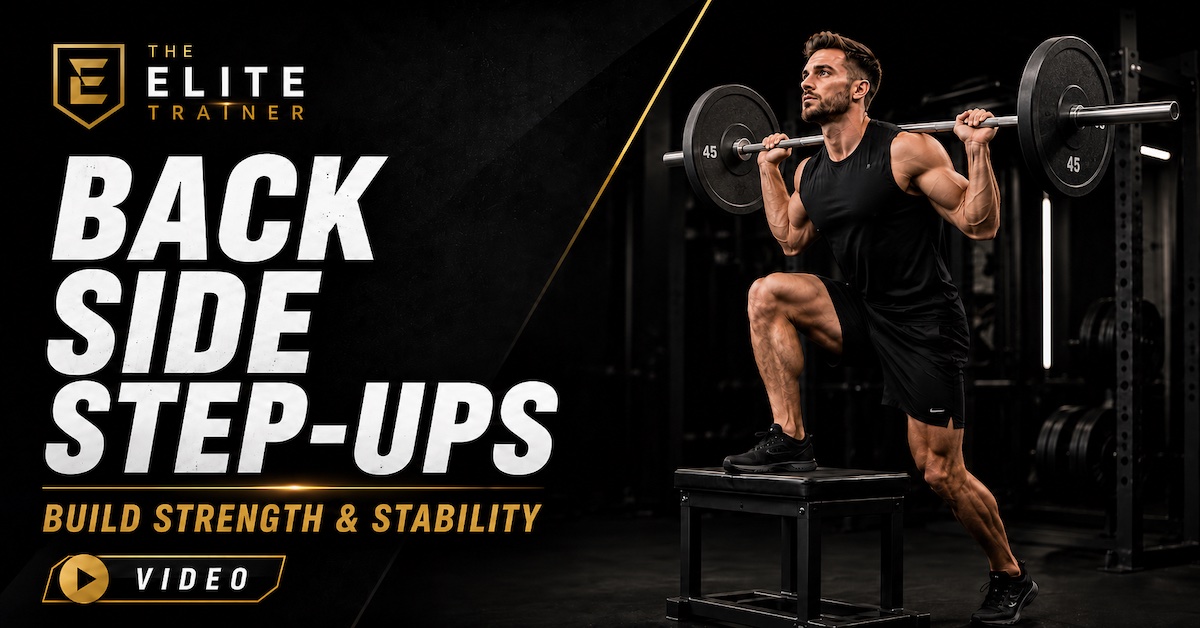
Back Side Step-Ups
Back side step-ups demand the right step height, calf flexibility, and strict control—no hip drop, no push-off, no cheating. Height comes before load, every time.
Strength Training is the Fountain of Youth
Lifting weights may be the closest thing the fitness world has to a fountain of youth. Muscle, strength, metabolism, body fat, blood pressure, and bone density all deserve attention as we age.
Strong Toes Prevent Falls
Falls are not just a balance problem—they’re often a strength problem all the way down to the toes. Stronger feet can play a bigger role in aging well than most trainers realize.