Exercise
5 Exercise Problems and Solutions
Some exercises feel wrong for the wrong reasons: wrists, grip, setup, or the wrong muscle fatiguing first. These five gym fixes turn common training annoyances into usable movements.
Some exercises feel wrong for the wrong reasons: wrists, grip, setup, or the wrong muscle fatiguing first. These five gym fixes turn common training annoyances into usable movements.

Parallel-bar dips can be intimidating, but eccentric training gives lifters a way in. Negative-only dips help build control, strength, and confidence before full reps are ready.
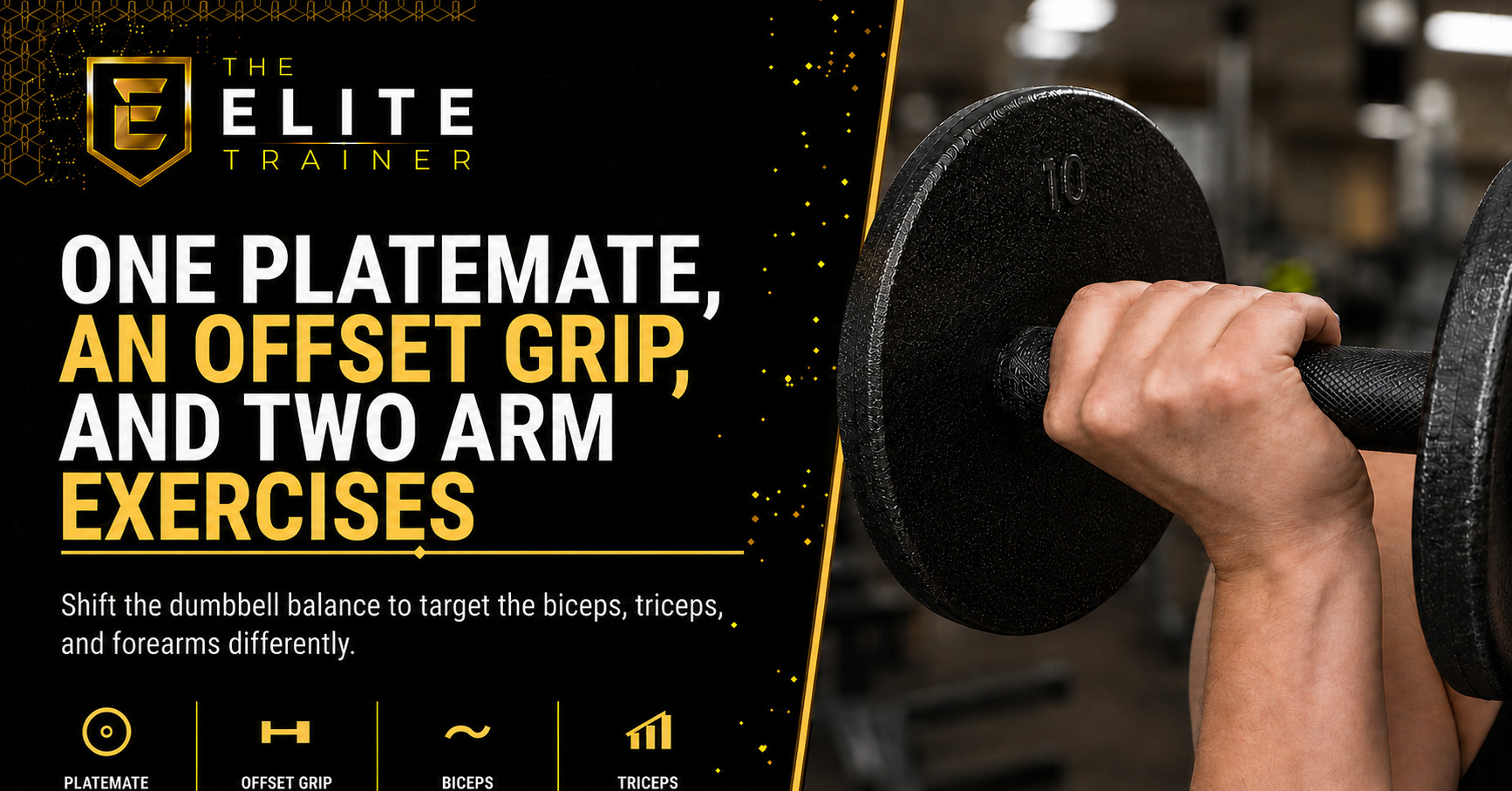
A small grip shift can change the way an arm exercise hits. Add a PlateMate, and standard dumbbell curls and extensions become more targeted, more awkward, and much more interesting.
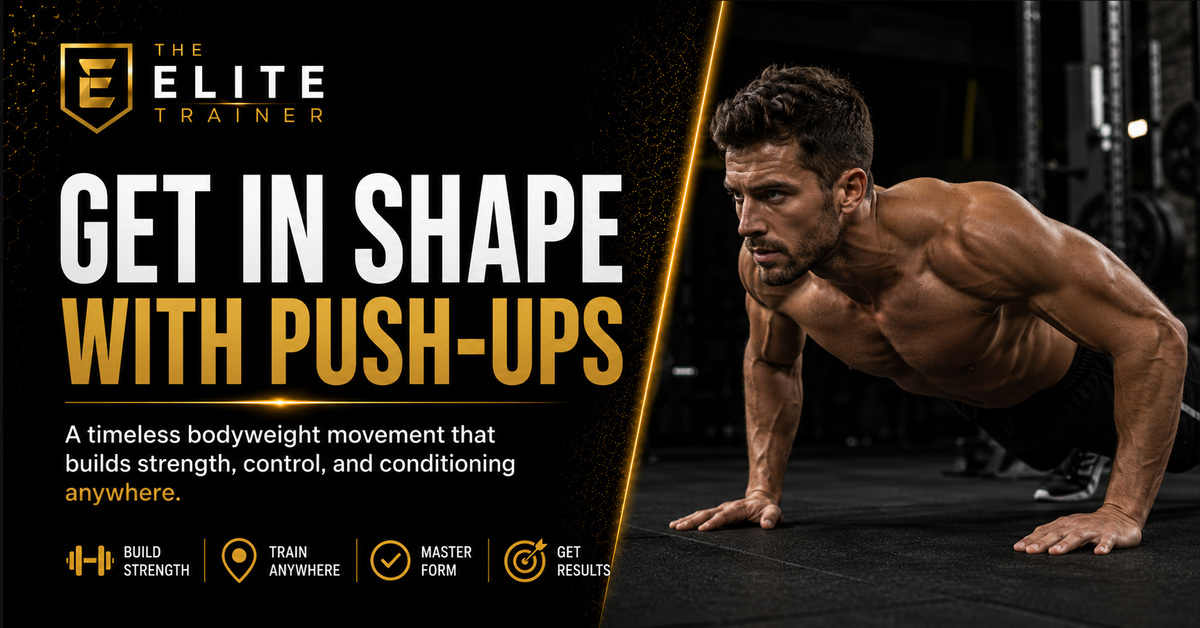
Sometimes the simplest exercise is the one that gets the job done. A school-year story about push-ups turns into a lesson on discipline, consistency, and old-school conditioning.
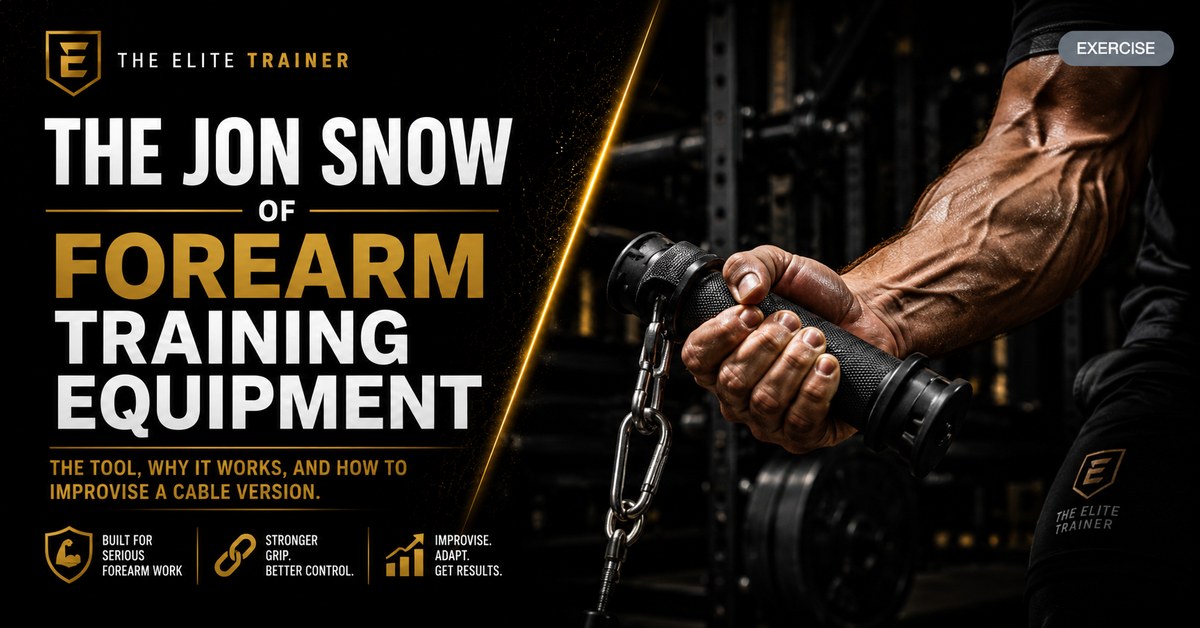
The Formulator disappeared, came back, and still has a place in serious forearm work. Here’s a look at the tool, why it works, and how to improvise a cable version if you cannot get your hands on one.

Squat depth gets a lot less scary when you understand what the knees, hips, and spine are actually doing. This piece pushes back on the old “knees behind the toes” rule with a more complete look at full-squat mechanics.
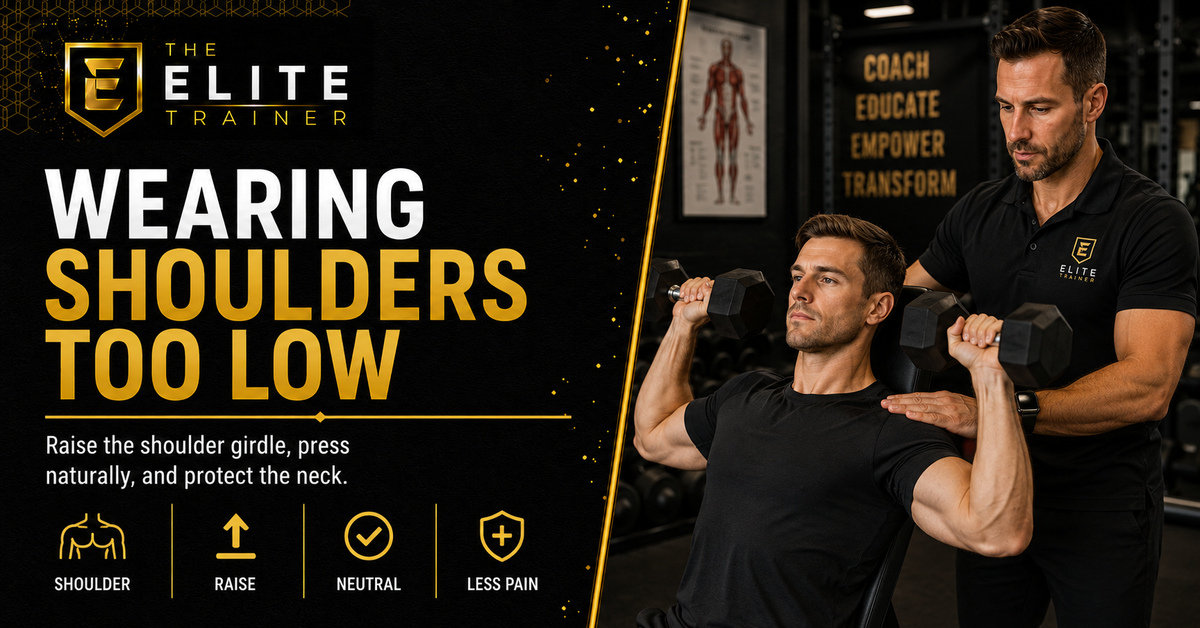
Shoulder position matters more than most lifters think. Drawing from Shirley Sahrmann’s work, the discussion explains how depressed shoulders can affect movement quality and upper-body mechanics.

Small changes in foot position can dramatically change what an exercise emphasizes. Here is a blunt look at how heel and toe elevation alter lower-body mechanics and muscle recruitment.
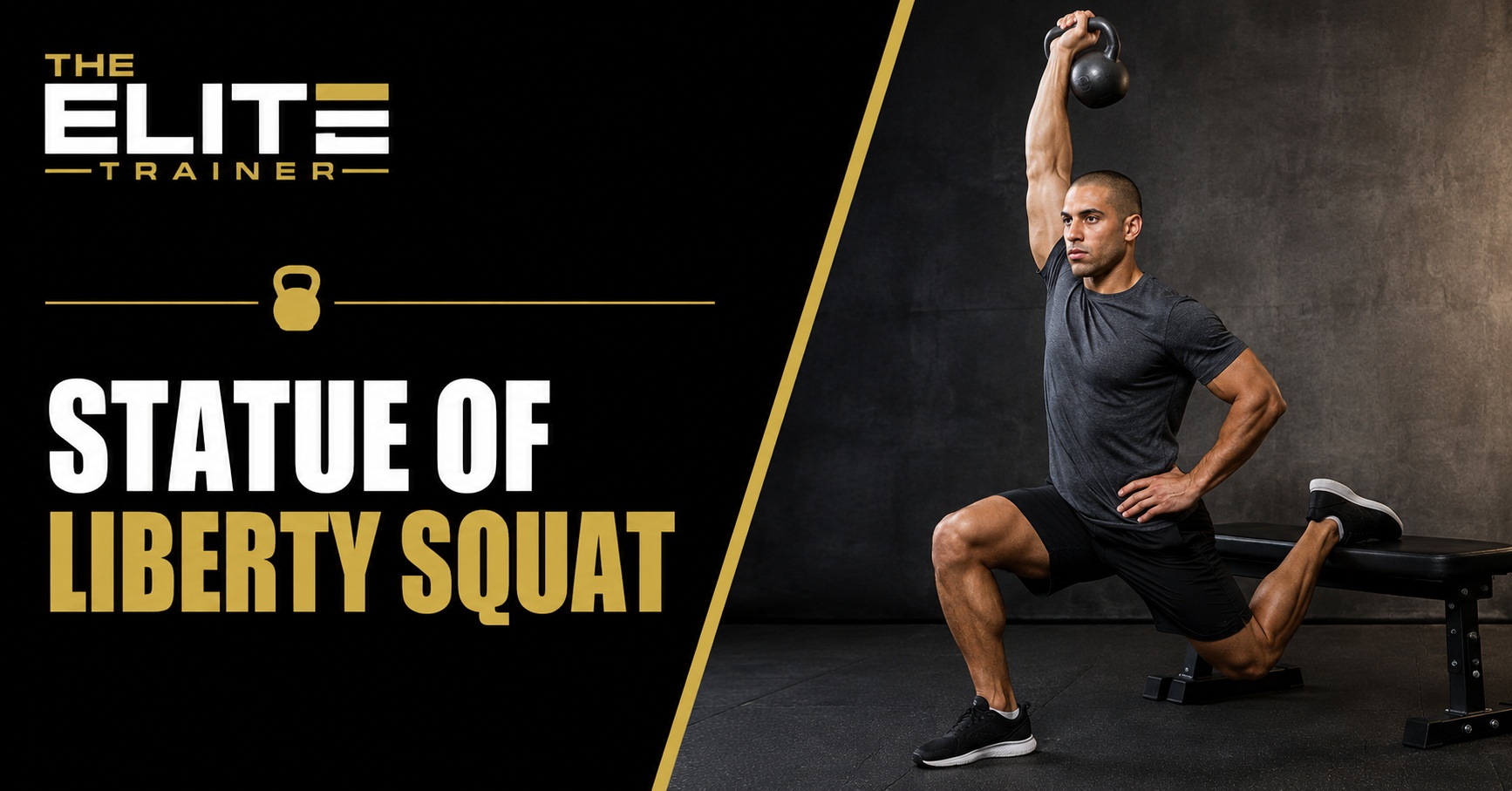
The rear-foot-elevated split squat gets a mobility upgrade with one simple change. John Paul introduces the Statue of Liberty Squat to stretch the hip flexors and load a longer fascial line.

A standing calf raise machine can do more than train calves. John Paul shows how it can be repurposed for shoulder shrugs that isolate the upper traps without grip becoming the limiting factor.