
General
3 Tips to Improve Your Sleep
Better sleep starts before your head hits the pillow. Light exposure, bedtime alarms, and old-school wind-down habits can support recovery when training hard.

Better sleep starts before your head hits the pillow. Light exposure, bedtime alarms, and old-school wind-down habits can support recovery when training hard.

Foam rolling the whole body before every workout is overkill. Targeting the upper back and restoring thoracic movement can be a smarter use of warm-up time.

Post-workout carbs can be rotated with purpose. Cranberry, tart cherry, and beetroot juice each bring a different angle to recovery and training nutrition.

Recent research on nutrition, supplementation, muscle damage, protein, and recovery gives trainers useful ideas to consider beyond the usual gym folklore.

Shopping for strength equipment can get frustrating fast when a bar looks great but fails in the rack. This safety squat bar story shows why fit matters.

Dr. Eric Serrano’s simple honey-and-coffee trick delivers a fast pre-workout kick without leaning on a loaded supplement formula.
Heart rate variability can reveal a lot about recovery and readiness. Here’s a personal look at how an adrenal IV drip lined up with a standout HRV reading.

Late-night training, suspenseful TV, and blue light can keep your nervous system wired when it should be winding down. Here’s how to protect sleep before bedtime.
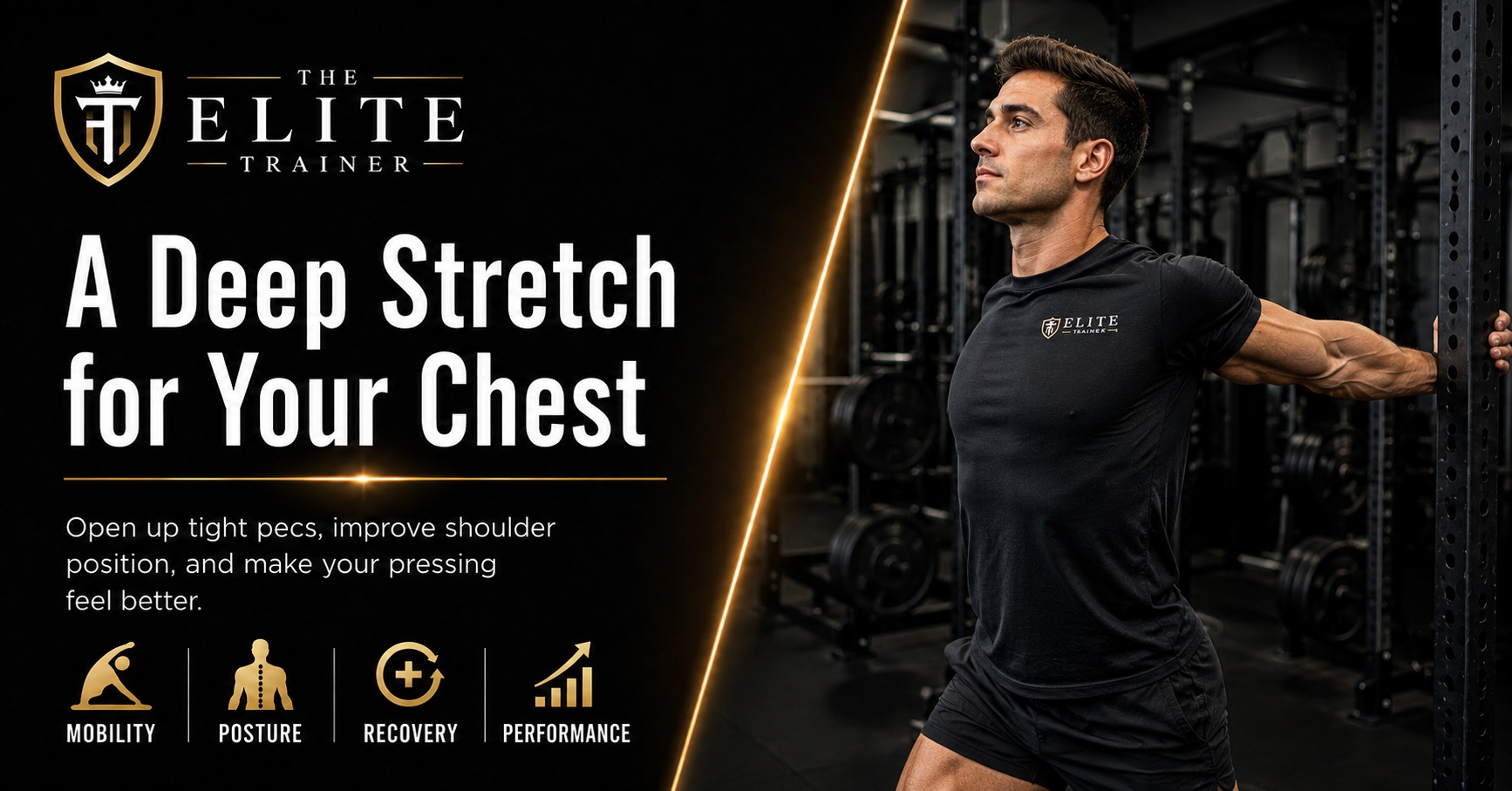
A power-rack chest stretch can hit the pecs harder than the usual doorway version. Bar placement, body position, and loading make the difference.

Reading research is one thing; interpreting it for real-world coaching is another. Vegetarian diets, stretching, nutrition science, and training methods all get a practical second look.