
General
The 24-Hour Weigh-In Experiment
Scale weight can swing wildly in a single day, which is exactly why it should never be your only progress marker. Track body composition with more context and less panic.

Scale weight can swing wildly in a single day, which is exactly why it should never be your only progress marker. Track body composition with more context and less panic.
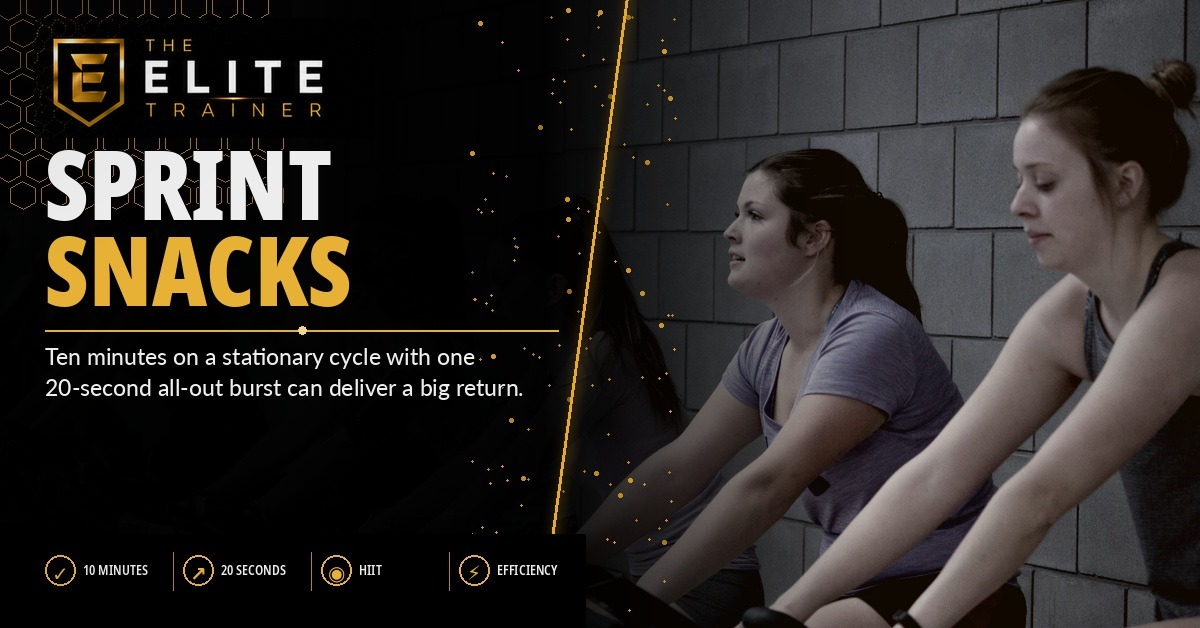
Sprint snacks give conditioning a hard, time-efficient edge. Short bursts of high-intensity work can fit into a weekly plan without turning every day into a marathon.
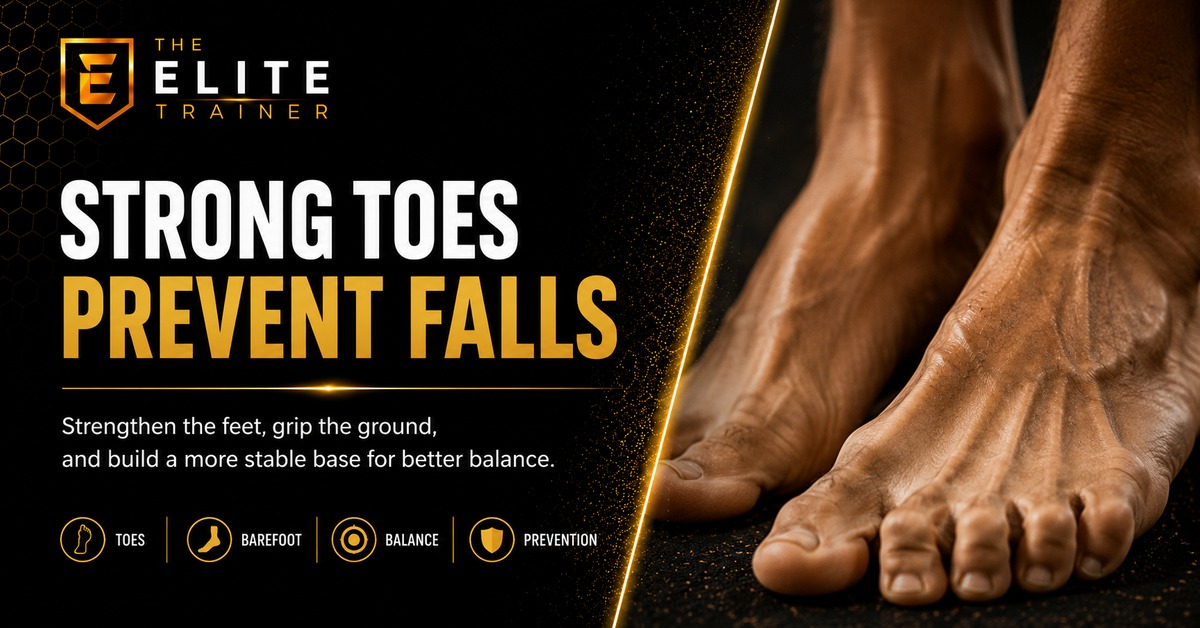
Falls are not just a balance problem—they’re often a strength problem all the way down to the toes. Stronger feet can play a bigger role in aging well than most trainers realize.
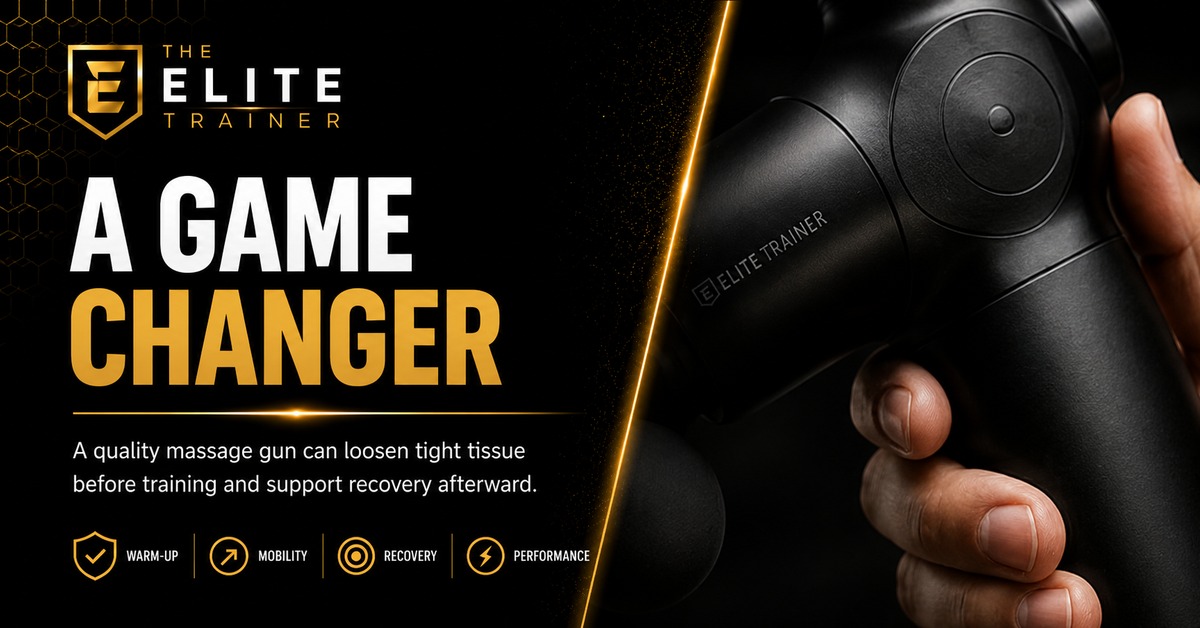
Massage guns can make warm-ups feel less like homework and more like preparation. A minute or two of percussive work may help you feel ready to train hard.
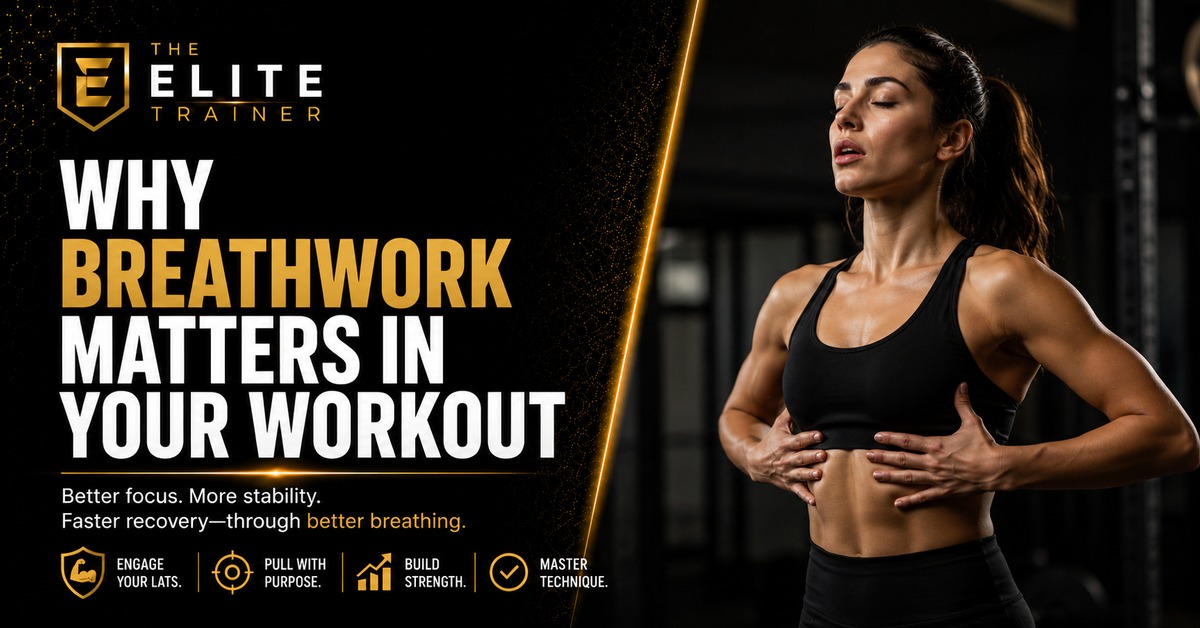
Breathing can change the way you train, recover, and stay focused during a workout. Use breathwork to cut through distraction and bring more control to every session.
Research moves fast, and smart fitness professionals need to keep up. January’s roundup covers stretching, foam rolling, statins, bone density, cold therapy, and other topics worth watching.
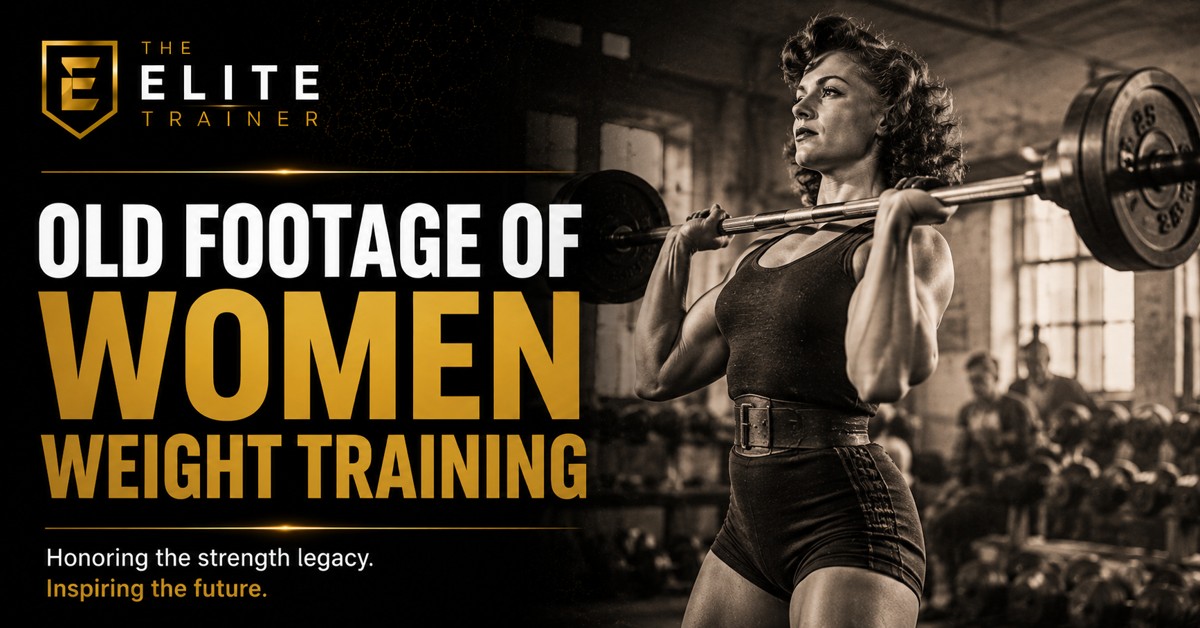
Women were lifting long before the fitness industry decided it was acceptable. These vintage clips are a reminder that serious strength training has never belonged to one gender.

Fresh research highlights practical takeaways on interval training, memory, body composition testing, and exercise science for coaches who want to stay sharp.
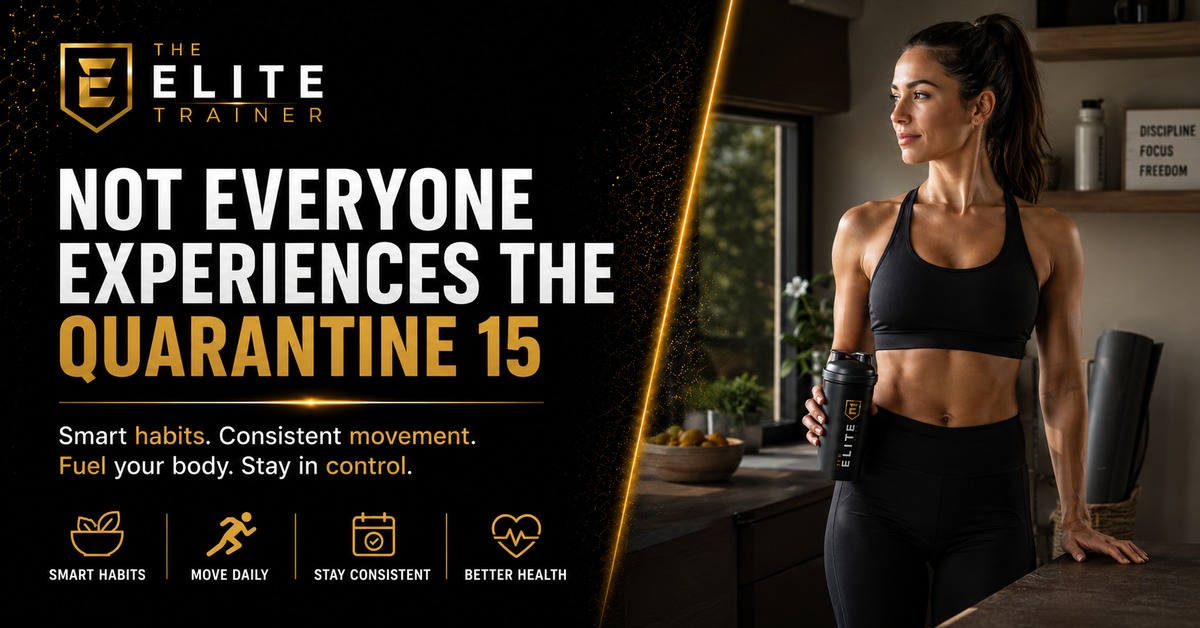
Some people gained weight during lockdown; others used the disruption to get leaner and stronger. Joseph’s progress shows what consistency can do when training, food, and recovery line up.

A reader question about Lean and Mean breaks down program notation, tempo, rest periods, and the details that make strength-training prescriptions easier to follow.