

Safety Squat Bar Issues
Shopping for strength equipment can get frustrating fast when a bar looks great but fails in the rack. This safety squat bar story shows why fit matters.

Healthy Meals in a Pinch
Running out of leftovers doesn’t have to mean falling off plan. These quick meal ideas help keep protein, convenience, and food quality in the picture.

Heal Injuries Fast with BPC-157
BPC-157 has developed a strong following among lifters looking for injury-support strategies. Here’s why the peptide keeps coming up in recovery conversations.
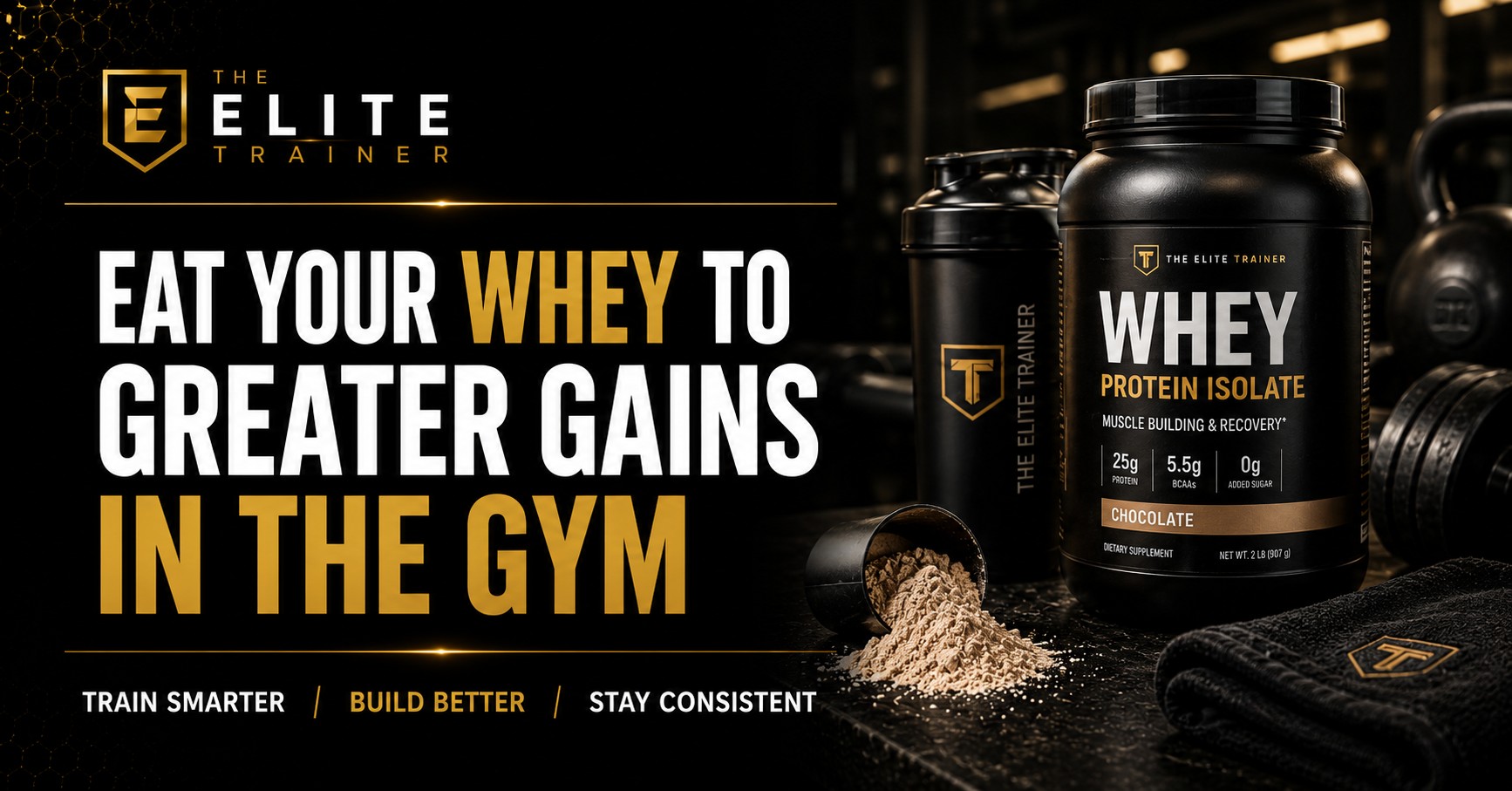
Eat Your Whey to Greater Gains in the Gym
Whey doesn’t always have to come from a shaker bottle. Ricotta offers a food-based way to bring whey protein into post-workout nutrition.
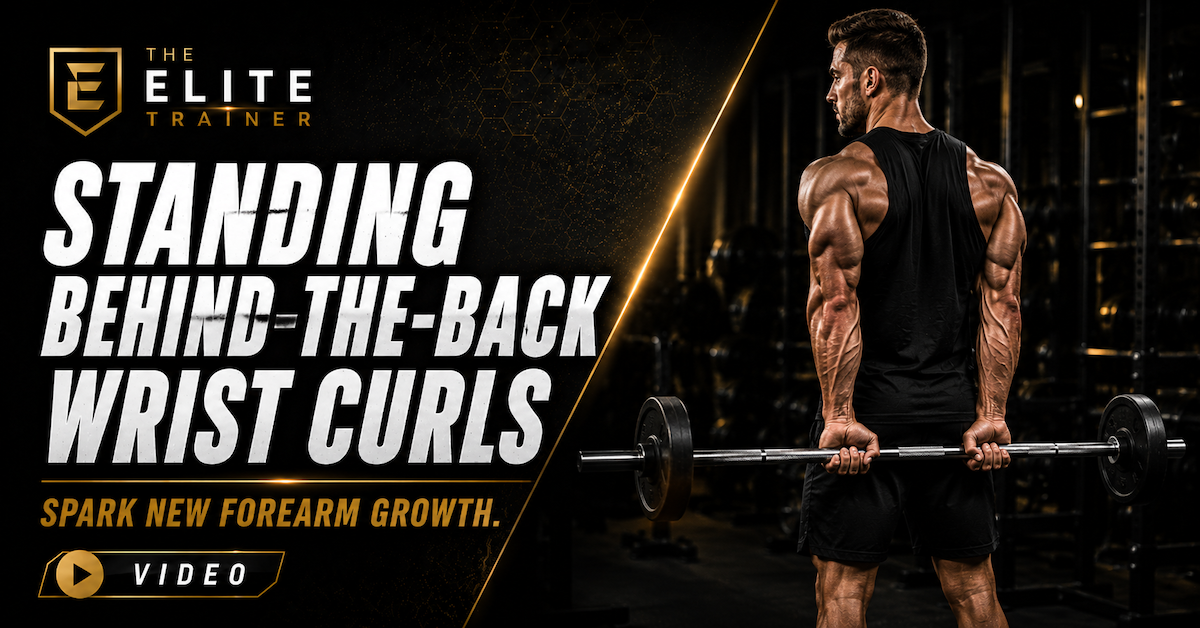
Standing Behind-The-Back Wrist Curls
Behind-the-back wrist curls are a simple but brutal way to target the forearm flexors. The setup limits cheating and delivers a strong contraction for lifters chasing thicker forearms.

The Serrano Pre-Workout Buzz
Dr. Eric Serrano’s simple honey-and-coffee trick delivers a fast pre-workout kick without leaning on a loaded supplement formula.

Pace Your Recovery in the Gym
Recovery between sets should be active enough to keep you ready, but not so long that the session loses momentum. Smarter pacing and rest intervals help preserve performance.

Two Antagonist Exercise Pairings
Antagonist pairings can make training more efficient while balancing opposing movement patterns. Pressing, pulling, and lower-body work are organized into practical pairings.

Neuro-Grip Push-Ups
Neuro-Grip Push-Ups add serious instability to a standard push-up. The result is a tougher challenge for the wrists, forearms, shoulders, and core—plus a quick way to expose weak links.
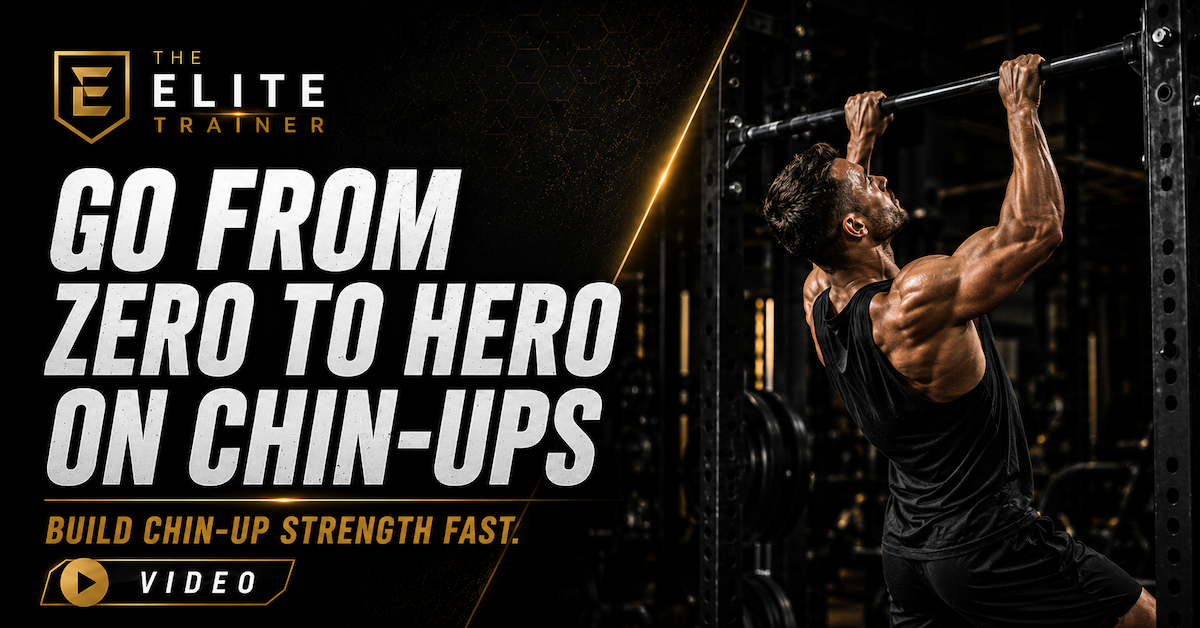
Go from Zero to Hero on Chin-Ups
Chin-ups are often limited as much by belief as by strength. Smart progressions, mindset, and consistent practice can move a lifter from zero reps toward real upper-body strength.

Individualized Circuit Training
Not every circuit should be a random pile of exercises. Purposeful exercise selection lets each movement target a specific muscle group, position, or training outcome.
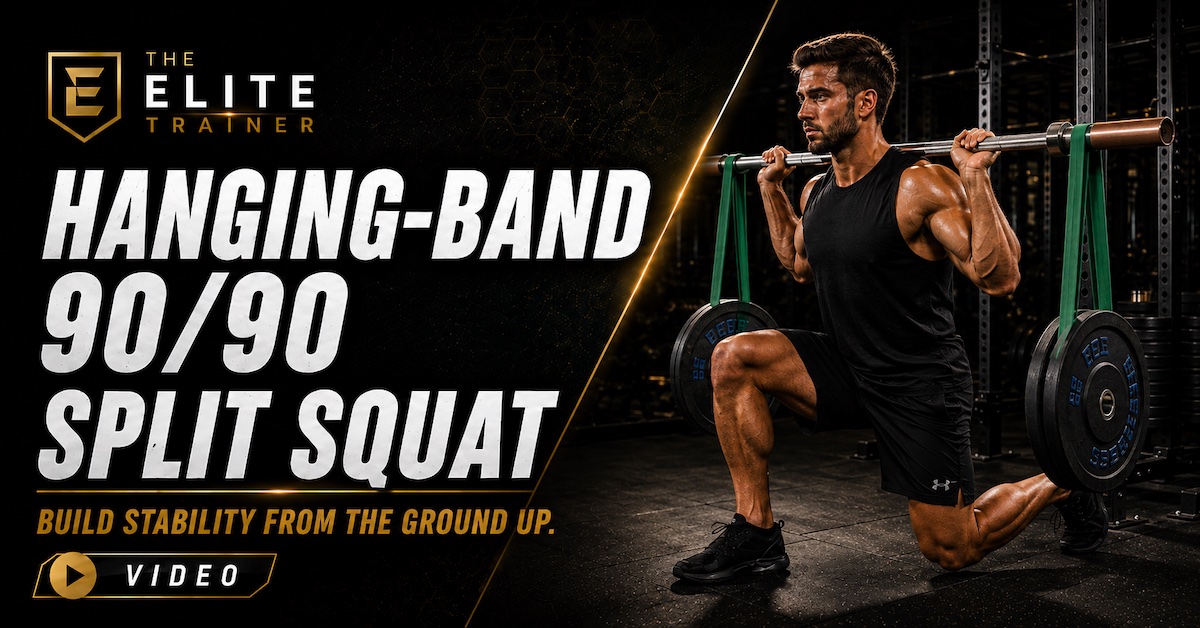
Hanging-Band 90/90 Split Squat
The hanging-band 90/90 split squat turns a familiar lower-body movement into a demanding stability challenge. Keep the load controlled and focus on a straight-down descent to make the variation work.

Eat Breakfast Before Weight Training
Fasted conditioning may work in some situations, but heavy weight training is a different animal. Breakfast can make a real difference when strength and hypertrophy are the goal.

Boost Recovery with an Adrenal IV Drip
Heart rate variability can reveal a lot about recovery and readiness. Here’s a personal look at how an adrenal IV drip lined up with a standout HRV reading.
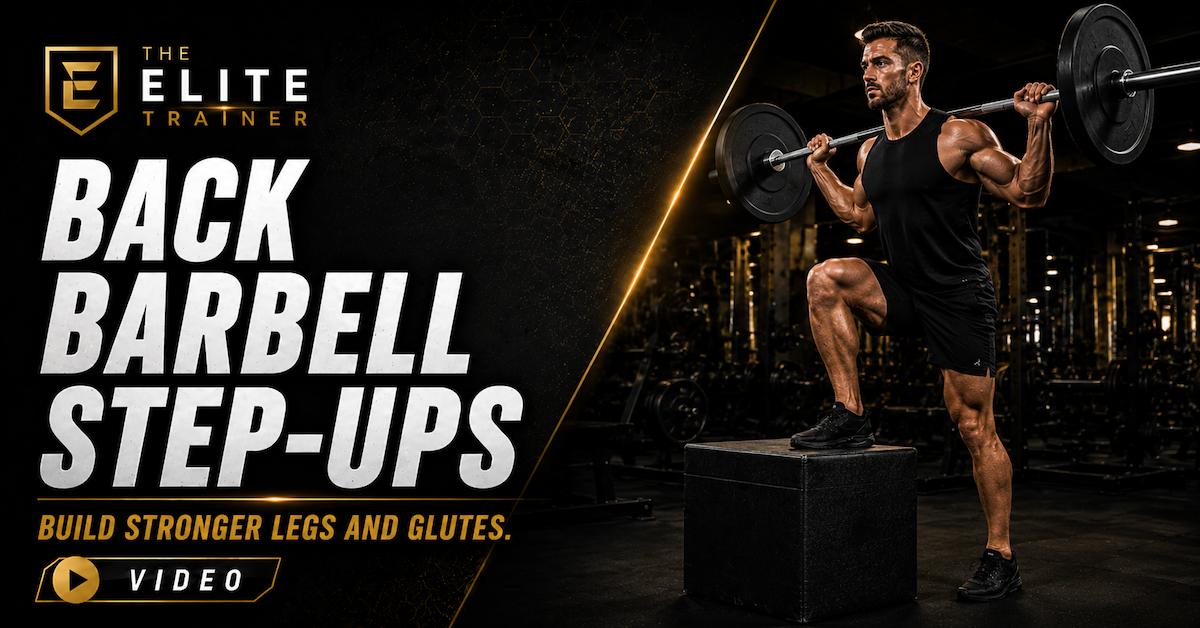
Back Barbell Step-Ups
Back barbell step-ups build lower-body strength, but only when step height and loading are chosen intelligently. This demo emphasizes setup, control, and gradual progression before chasing bigger weights.

70-Degree Neutral-Grip Dumbbell Presses
Neutral-grip pressing can reduce shoulder stress while still training the pressing muscles hard. The 70-degree incline setup offers a joint-friendlier alternative to the common flared-elbow pressing style.
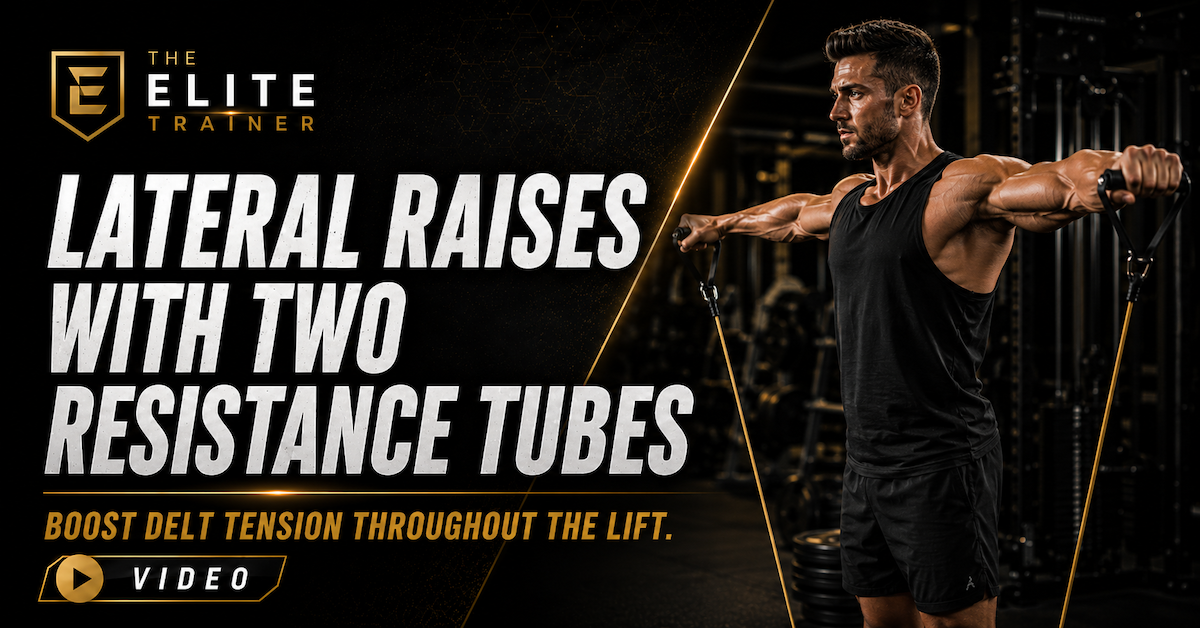
Lateral Raises with Two Resistance Tubes
Doubling up resistance tubes turns a standard lateral raise into a tougher top-range shoulder challenge. It is a simple way to overload the medial delts when one tube no longer does the job.

How to Reduce Shoulder Stress During Presses
Pressing with flared elbows and a pronated grip can beat up the shoulders over time. A neutral-grip setup offers a smarter way to train hard.
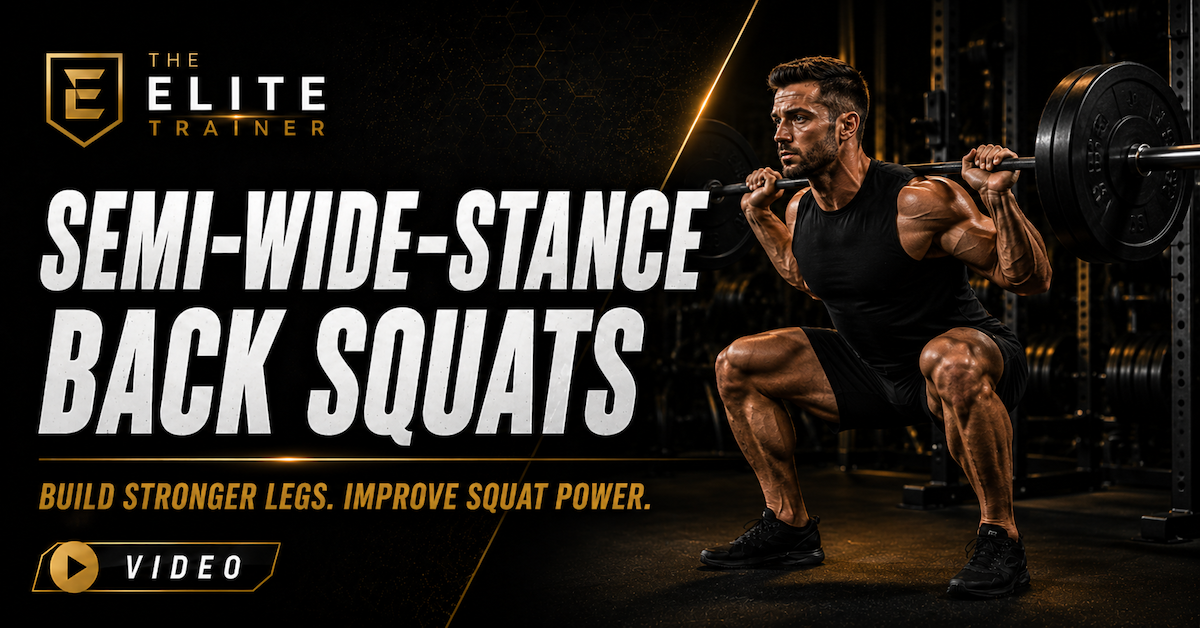
Semi-Wide-Stance Back Squats
A semi-wide squat stance can shift emphasis toward the inner thighs and create a different lower-body stimulus. Stance width becomes a training tool instead of a random preference.
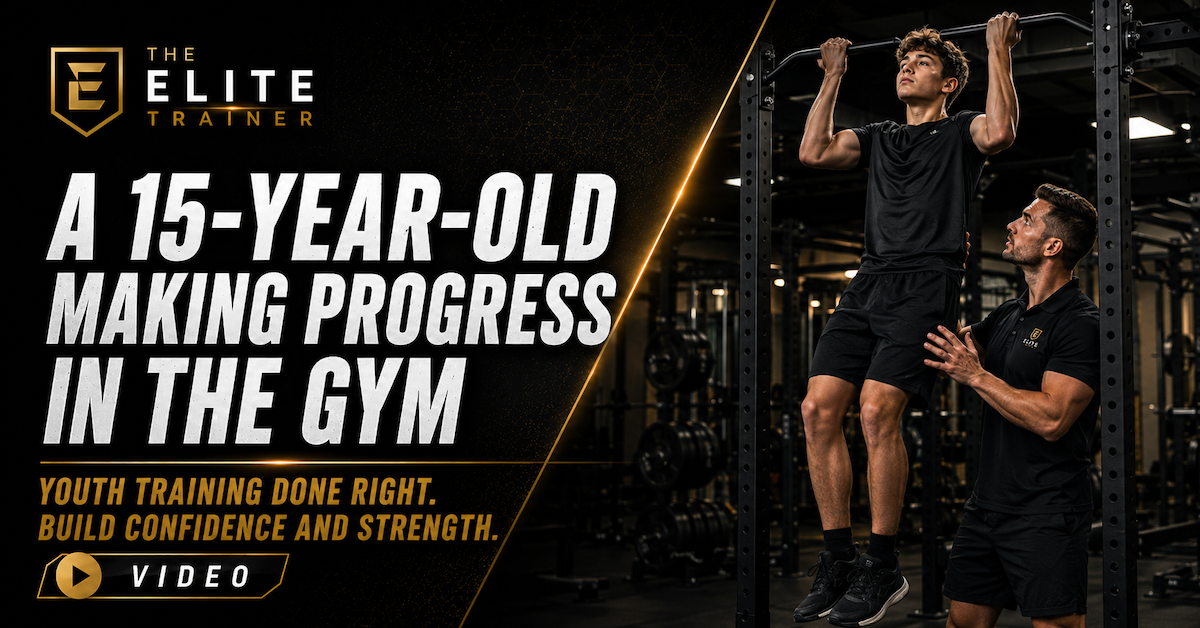
A 15-Year-Old Making Progress in the Gym
Progress shows up fast when the program is built properly and the athlete puts in the work. Assisted progressions lead into stronger squats and improved chin-up performance.