

Do Not Ice After Resistance Training
A warning against jumping into ice after resistance training when the goal is adaptation, not just pain relief. The article argues that cold therapy may blunt the inflammatory signals involved in muscle growth and recovery.

The Best of Both Worlds
A training-system hybrid that blends tempo work with strategic failure training. The idea is to get the benefits of controlled tension and high-effort sets without turning every workout into a reckless beatdown.

My Eldest Client
A client story that makes the case for training hard and thinking long-term, even into advanced age. It reinforces one of the site’s core beliefs: strength, movement, and vitality matter at every stage of life.

Getting in Shape After the Age of 50
A practical argument that getting in shape after 50 is not about accepting decline—it’s about training, eating, recovering, and supplementing intelligently. The article frames aging as something to manage aggressively, not surrender to.

Strength Training And Muscle Fiber Distribution
A discussion of muscle fiber distribution and why training should account for fast-twitch and slow-twitch tendencies. The article connects fiber type, exercise selection, and loading strategy for better strength and physique results.

The Growing Rate of Childhood Obesity (Part 2)
Part two argues that kids need more movement, not more sitting, screens, and stripped-down physical education. It looks at inactivity, school environments, and practical ways to raise non-exercise activity in children.

The Growing Rate of Childhood Obesity (Part 1)
Part one takes aim at childhood obesity through the lens of food quality, parental responsibility, and the damage caused by processed, nutrient-poor diets. It’s not delicate, but it is direct: kids cannot eat junk that parents refuse to buy.

Offset-Grip Dumbbell Lateral Raise
A shoulder-training tweak that uses an offset dumbbell grip to hit the rear delts without turning the lateral raise into an impingement trap. It’s a small change with a big payoff for balanced deltoid development.

A Leap of Faith or A Calculated One?
Returning to supinated-grip chin-ups after distal biceps surgery was not a reckless jump back in. This comeback was built through patience, smaller benchmarks, and a calculated return to strength.

My Top 5 Nutrition Resources
A curated list of nutrition resources for trainers and serious fitness enthusiasts who want principles, not diet fads. The recommendations cover nutrition education, fat loss, traditional diets, and the psychology of eating.

Wave-Like Loading For Athletes
A quick loading template from Al Vermeil that keeps high-volume training from dulling the nervous system. The article lays out an 8-set wave structure that blends higher-rep work with heavier lower-rep sets for athletes.
Heal Like Wolverine (Part 5)
Part five shifts from recovery to prevention, showing how smarter programming, controlled reps, and better exercise execution can help keep injuries from happening in the first place. Train sloppy long enough and the body eventually sends the bill.

Heal Like Wolverine (Part 4)
Part four digs into hamstring strains and why prevention is more than throwing in a few random leg curls. It highlights eccentric strength, smart exercise selection, and better planning for athletes exposed to sprinting, jumping, and high-speed movement.

Heal Like Wolverine (Part 3)
Part three uses a real biceps injury story to show why lifters need to advocate for proper diagnosis and not blindly accept a quick dismissal. It’s a reminder that experience, common sense, and persistence matter when something feels seriously wrong.

Heal Like Wolverine (Part 2)
Part two shifts from anti-icing theory to practical recovery habits: sleep, nutrition, supplements, light movement, and other methods that may support healing. It’s a recovery checklist for lifters who want to bounce back faster without doing anything reckless.

Heal Like Wolverine (Part 1)
Part one challenges the traditional RICE approach and argues that icing can interfere with the body’s natural healing process. It introduces the “garbage out, groceries in” concept and makes the case for movement-driven recovery.

Athletes Play Dynamically and Should Train Dynamically
A performance-focused argument against treating athletes like rehab patients. The article explains why dynamic athletes need dynamic core work, dynamic stretching, and training that actually resembles the demands of sport.

The B/S Weight Loss Approach That Works
A blunt two-week fat-loss reset built around a simple “B” diet and “S” complex workout. It’s restrictive, memorable, and deliberately aggressive for people who need a hard push to get the scale and waistline moving again.

Male Clients Are From Mars, Female Clients Are From Venus
A practical look at how client psychology affects coaching communication, with a sharper take on why feedback that motivates one client may shut another down. The point is not to tiptoe—it’s to know your audience and deliver the message in a way that actually gets results.
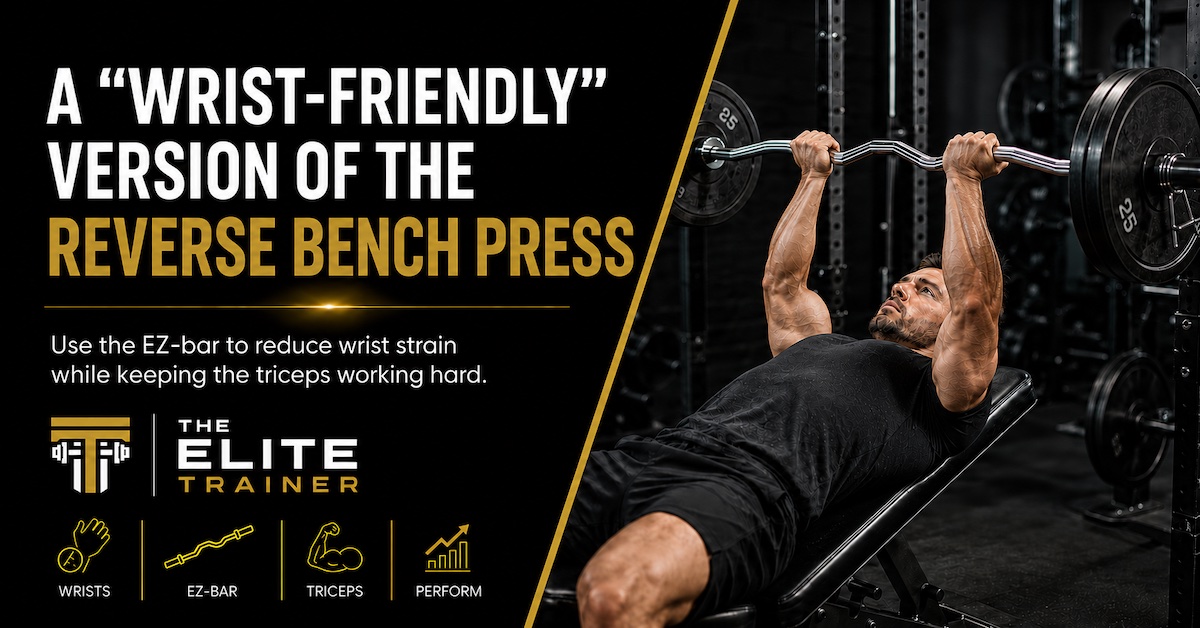
A "Wrist-Friendly" Version of the Reverse Bench Press
The reverse bench press can be rough on the wrists, but an EZ-bar changes the angle and makes the lift more usable. Try this variation to target the triceps with less joint irritation.